 Pin it
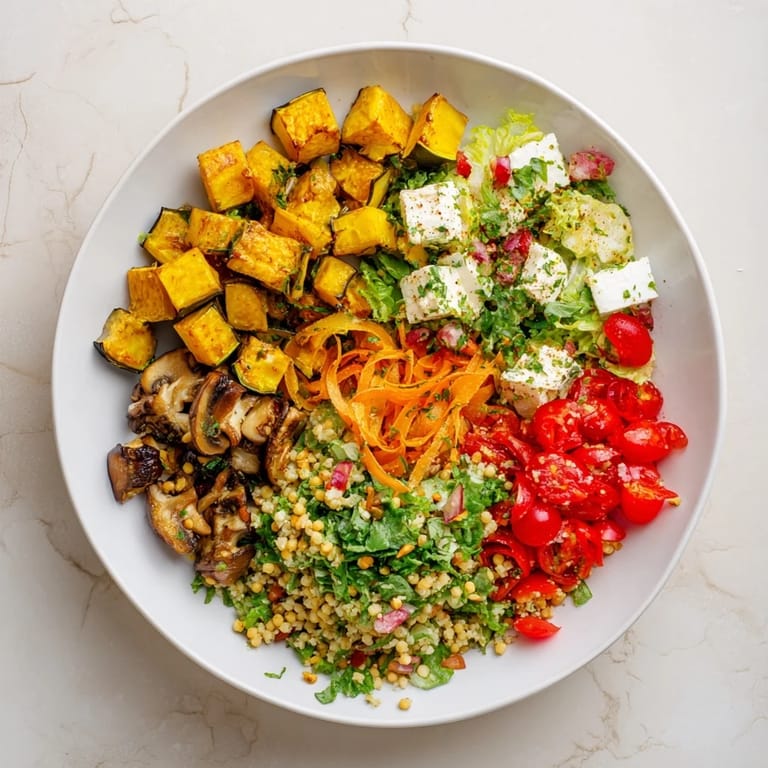
 I stumbled upon this dish during a late-night kitchen experiment, trying to salvage three half-empty jars of spices and a handful of vegetables before they wilted away. Instead of tossing them into one pot, I decided to honor each flavor tradition separately—Mediterranean, Asian, Middle Eastern—and arrange them side by side like edible continents on a plate. My partner took one bite and asked why I hadn't been making this all along. That's when I realized this wasn't just salvage, it was discovery.
I made this for a potluck where everyone brought something heavy and predictable, and watching people's faces light up as they discovered the Asian snap peas after tasting the Mediterranean eggplant was worth every minute of prep. One friend actually went back for seconds of each cluster separately, and I knew I'd created something special.
Ingredients
- Extra-virgin olive oil: Use the good stuff for the Mediterranean and Middle Eastern clusters—it's not just fat, it's the foundation of those flavor profiles.
- Eggplant: Cut it into even dice so it softens uniformly without turning into mush.
- Red bell pepper: The sweetness plays beautifully against the eggplant's earthiness.
- Zucchini: Slice it on the thicker side or it disappears into nothing during cooking.
- Cherry tomatoes: Halving them prevents them from rolling around and adds visual texture to the cluster.
- Garlic: Fresh and minced—never use the jarred stuff here, it tastes like regret.
- Dried oregano: The Mediterranean anchor; don't skip it or this cluster loses its soul.
- Toasted sesame oil: The nuttiness is non-negotiable for the Asian cluster.
- Shiitake mushrooms: Slice them thick enough to get a little color and develop umami depth.
- Snap peas: They should still have a snap when you bite them, so don't let them languish in the pan.
- Carrot: Julienne it thin so it cooks quickly and creates delicate ribbons.
- Soy sauce or tamari: Tamari if you're cooking for someone avoiding gluten—the flavor is nearly identical.
- Fresh ginger: Grated, not minced, so you get those little pockets of heat and brightness.
- Rice vinegar: A splash of this brings everything into focus; it's the umami closer.
- Red onion: Thinly sliced and cooked until soft, it becomes almost sweet in the Middle Eastern cluster.
- Chickpeas: Cooked and drained, they're the protein anchor that makes this dish actually substantial.
- Bulgur or quinoa: Bulgur gives texture and earthiness; quinoa is lighter and more delicate.
- Ground cumin, coriander, cinnamon: This trio is the signature of the Middle Eastern cluster—don't measure timidly.
- Fresh parsley: Chopped just before serving, it adds brightness that dried herbs can't touch.
- Lemon juice: Fresh, squeezed from actual lemons, not the bottled version.
- Feta cheese: Crumbled feta adds a salty tang, optional but honestly it transforms the whole dish.
- Toasted sesame seeds: Toast them yourself if you can; the difference is real.
- Fresh mint or cilantro: Pick whichever matches your mood, or use both.
Tired of Takeout? 🥡
Get 10 meals you can make faster than delivery arrives. Seriously.
One email. No spam. Unsubscribe anytime.
Instructions
- Mise en place:
- Prep all your vegetables and set out three large skillets side by side—this is a multi-track recipe, and having everything ready before you start cooking is the only way to keep the flavors honest and separate.
- Build the Mediterranean foundation:
- Heat olive oil in your first skillet over medium heat and let it shimmer for a moment. Add the diced eggplant and let it sit for three minutes without stirring—this is when it develops color and starts to caramelize.
- Bring the Mediterranean cluster together:
- Stir in the bell pepper, zucchini, tomatoes, and garlic, then season with oregano, salt, and pepper. This should smell like a sun-soaked kitchen, and it'll take eight to ten minutes of occasional stirring for everything to soften into tenderness.
- Start the Asian cluster:
- In your second skillet, heat the toasted sesame oil over medium-high heat until it's fragrant and shimmering. Add the mushroom slices and let them sit for two minutes to develop a golden crust.
- Layer in the Asian vegetables:
- Add the snap peas and julienned carrot, cooking for another two minutes until they're still crisp but beginning to soften. Then add the soy sauce, ginger, and rice vinegar and sauté everything together for two to three more minutes—you want vegetables that still have a little resistance, not limp ones.
- Compose the Middle Eastern cluster:
- In your third skillet, heat olive oil over medium heat and add the thinly sliced red onion, letting it cook gently for three minutes until it starts to turn translucent and sweet. Stir in the chickpeas, bulgur or quinoa, cumin, coriander, and cinnamon, cooking for five minutes while stirring often so the spices toast and bloom.
- Finish the Middle Eastern notes:
- Remove from heat, toss everything with fresh parsley and lemon juice, then taste and adjust seasoning—this cluster should taste complex and a little bright.
- Compose your spice route:
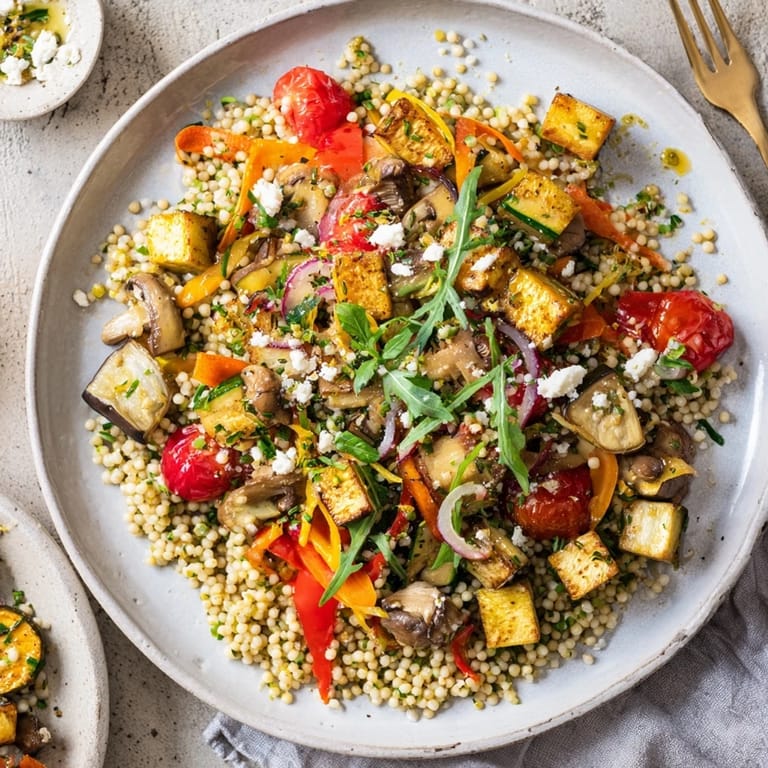
- Arrange the three warm clusters side by side on a large platter or on individual plates, creating a visual journey from one tradition to the next.
- Crown with garnishes:
- Sprinkle feta cheese, toasted sesame seeds, and fresh mint or cilantro across everything, encouraging people to mix and match as they eat.
 Pin it
 I served this to a dinner table of people from three different countries, and watching them recognize the flavors of their own cuisines while discovering the others was a small moment of kitchen magic. Someone said it felt like traveling without leaving the table, and honestly, that stuck with me.
Why This Recipe Works
The brilliance of cooking in three separate pans isn't just logistics—it's philosophy. Each cluster finishes at its own tempo, with its own textures and depth, so when they meet on the plate they complement rather than compete. The eggplant stays silky, the snap peas keep their crunch, and the chickpeas hold their warmth. It's controlled chaos, really.
Timing and Flexibility
If you're cooking for a crowd, you can prep all your vegetables hours ahead and store them in separate bowls, then cook the clusters just before serving. The Mediterranean cluster is actually forgiving and can sit for a few minutes without suffering. The Asian cluster wants to be served immediately while the snap peas still have personality. The Middle Eastern cluster is the most patient of the three and can even be made earlier and gently reheated.
Variations and Customizations
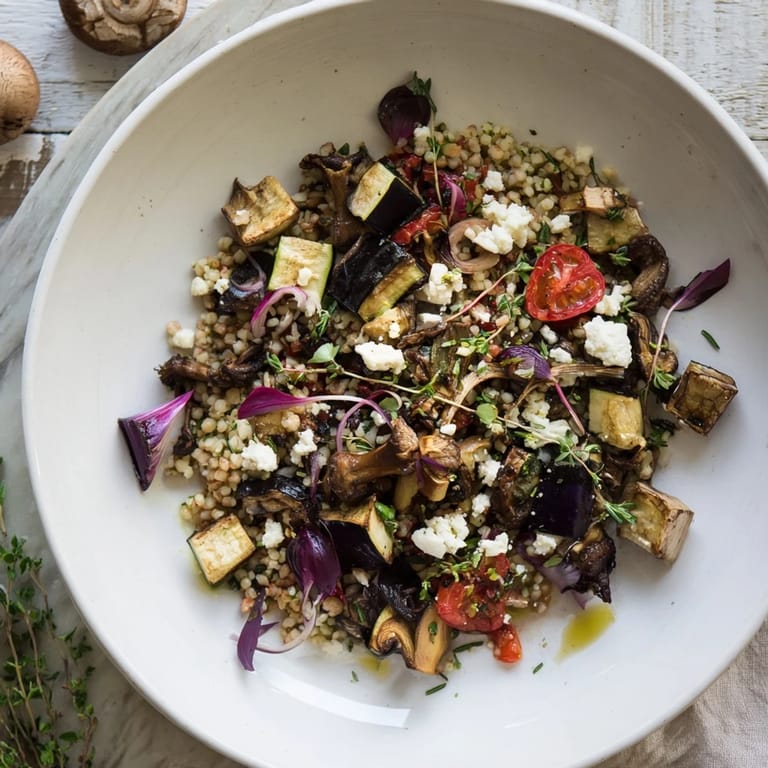
This dish is a framework, not a law. I've made it with grilled chicken breast sliced thin and arranged on top of the Mediterranean cluster, or crumbled tofu scattered across the Asian cluster for extra protein and substance. Someone once added za'atar to the Middle Eastern cluster and I've been doing it ever since. The beauty is that once you understand the structure, you can bend it toward whatever you have in your kitchen.
- Add grilled chicken, tofu, or lamb to whichever cluster calls to you.
- Serve alongside flatbread or steamed rice to make it a more substantial meal.
- Substitute quinoa for bulgur if you want something lighter or have dietary preferences.
 Pin it
 This recipe taught me that some of the best meals aren't about perfection or following one tradition faithfully, but about bringing different worlds together with respect and curiosity. Every time I make it, someone at the table discovers a new combination of flavors they love.
Recipe FAQ
- → How do the three clusters differ in flavor?
The Mediterranean cluster offers herbaceous, savory notes with oregano and garlic; the Asian cluster adds umami and crisp freshness via ginger and soy; the Middle Eastern cluster brings warmth through spices like cumin and cinnamon.
- → Can this dish be made vegan?
Yes, simply omit the feta cheese garnish and use tamari instead of regular soy sauce to keep it gluten-free and vegan-friendly.
- → What proteins pair well with these clusters?
Grilled chicken, tofu, or lamb can be added to any cluster for extra protein, complementing the diverse flavors.
- → Are there gluten-free options included?
Yes, substituting quinoa for bulgur and tamari for soy sauce ensures the dish is gluten-free without compromising flavor.
- → What side dishes complement this meal?
Warm flatbread or steamed rice pair nicely, allowing guests to enjoy the clusters alongside mild, comforting bases.
- → What wine pairs best with this dish?
A crisp Sauvignon Blanc or a light-bodied Pinot Noir balances the vibrant and aromatic clusters beautifully.