 Pin it
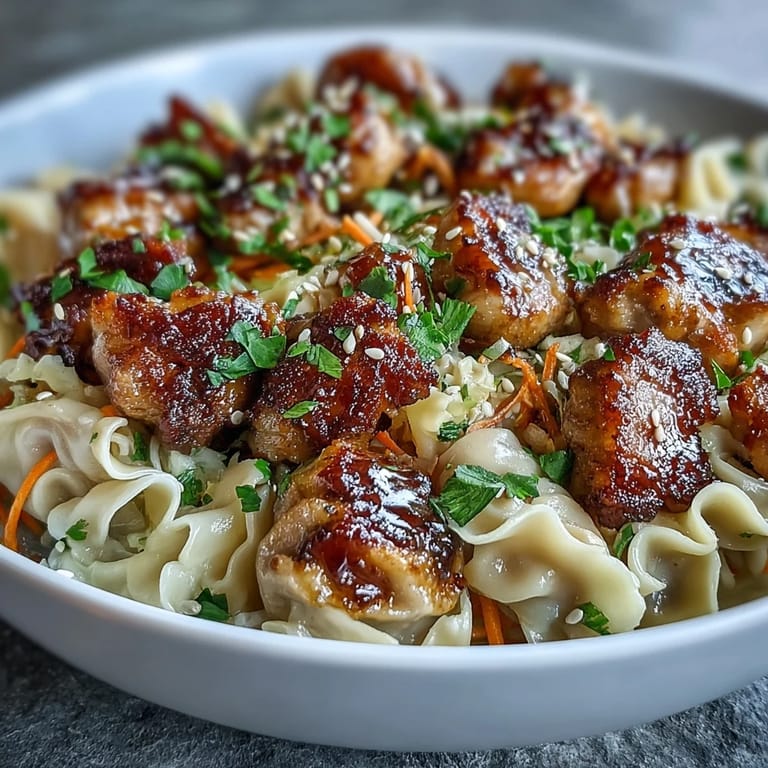
 My neighbor once brought me a plate of homemade potstickers, and I ate them standing at the counter, dipping each one into the tangy, spicy sauce until the plate was empty. The next day, I tried to replicate them but gave up halfway through folding and decided to dump everything into a bowl of noodles instead. It turned out better than the original plan. Now I skip the pleating altogether and go straight for this noodle bowl whenever I want that same crispy, savory, garlicky hit without the fuss.
I made this for a friend who was convinced she didnt like ground pork. She finished two bowls and asked for the recipe before she left. The trick was browning the meat long enough to get those caramelized bits that taste like the crispy parts of a dumpling. She texted me three days later with a photo of her own version, topped with a fried egg. That felt like a win.
Ingredients
- Rice noodles: They soak up the sauce without getting mushy, and they stay silky even after reheating.
- Ground pork or chicken: Pork gives you richer flavor, but chicken works if you want something lighter.
- Soy sauce: This is the backbone of the seasoning, use low-sodium so you can control the salt level.
- Toasted sesame oil: A little goes a long way, it adds that nutty, aromatic finish that makes the dish smell like takeout.
- Cornstarch: Mixed into the meat, it helps everything hold together and gives a slight velvety texture.
- White pepper: It has a sharper, more floral heat than black pepper and tastes more authentic.
- Garlic and ginger: Fresh is essential here, the smell when they hit the hot pan is half the reason I make this.
- Green onions: Use both the whites for cooking and the greens for garnish, they bring brightness and a slight bite.
- Cabbage and carrots: They add crunch and sweetness, and they remind me of the filling inside a real dumpling.
- Shiitake or cremini mushrooms: Shiitake have more umami, but cremini are easier to find and still taste great.
- Rice vinegar: It cuts through the richness and gives the sauce that tangy edge you expect from dipping sauce.
- Chili-garlic sauce: This is where the heat comes from, start with less if youre unsure.
- Brown sugar or honey: Just enough to balance the soy and vinegar without making it sweet.
- Chicken broth: It loosens the sauce and adds depth, water works too if thats all you have.
Tired of Takeout? 🥡
Get 10 meals you can make faster than delivery arrives. Seriously.
One email. No spam. Unsubscribe anytime.
Instructions
- Prepare the noodles:
- Boil the noodles until theyre just tender, then drain and rinse them briefly so they stop cooking. Toss them with a tiny bit of oil so they dont clump into a brick while you finish everything else.
- Season the meat:
- Whisk together the soy sauce, sesame oil, cornstarch, pepper, sugar, and salt, then pour it over the ground meat and mix gently until it feels sticky. If youre adding minced cabbage, squeeze it dry first so it doesnt water down the mixture.
- Make the sauce:
- Combine soy sauce, rice vinegar, oyster sauce, chili-garlic sauce, sesame oil, brown sugar, and broth in a bowl and whisk until smooth. Taste it now and adjust the heat or sweetness before it goes in the pan.
- Prepare the vegetables:
- Shred the cabbage and carrots, slice the mushrooms thin, and separate the green onion whites from the greens. Having everything ready before you start cooking makes the whole process feel calm instead of chaotic.
- Brown the meat:
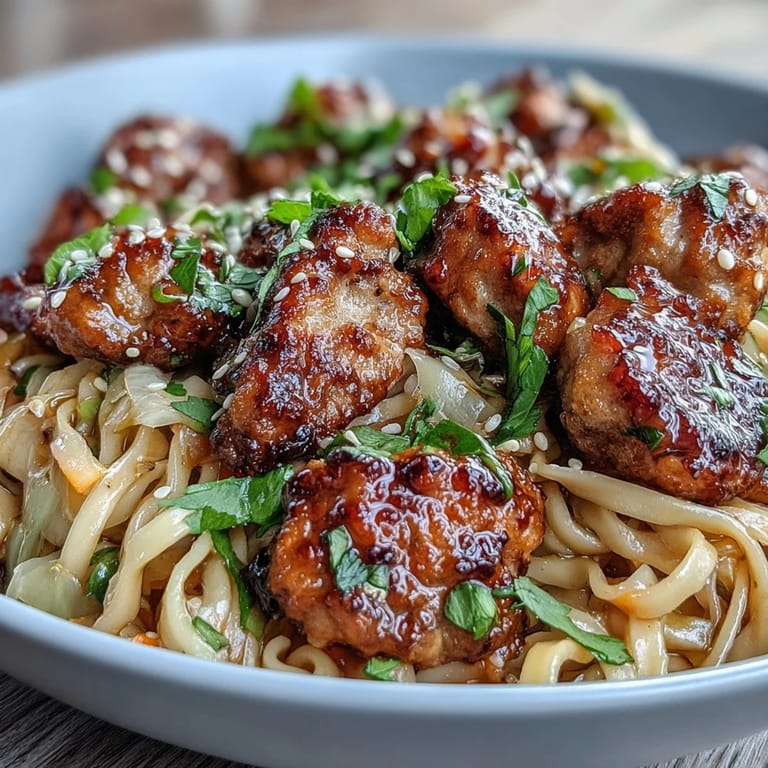
- Heat oil in a large skillet over medium-high heat, then add the seasoned meat in an even layer and leave it alone for a couple of minutes. Let it get crispy and golden on the bottom before you break it up and finish cooking it through.
- Add aromatics:
- Push the meat to one side, add a bit more oil, then toss in the garlic, ginger, and white parts of the green onions. Stir them for about 30 seconds until they smell amazing, then mix them into the meat.
- Cook vegetables:
- Add the mushrooms first and let them soften, then toss in the cabbage and carrots and stir-fry until the cabbage wilts but still has a little crunch. If the pan looks dry, add a splash of water to keep everything moving.
- Combine with sauce:
- Pour the sauce over the meat and vegetables and toss everything together. Let it simmer for a minute or two until the sauce thickens just enough to coat everything without pooling at the bottom.
- Add noodles:
- Toss the cooked noodles into the skillet and mix gently but thoroughly so every strand gets coated. If it looks too dry, add a few tablespoons of water or broth to loosen it up.
- Finish and serve:
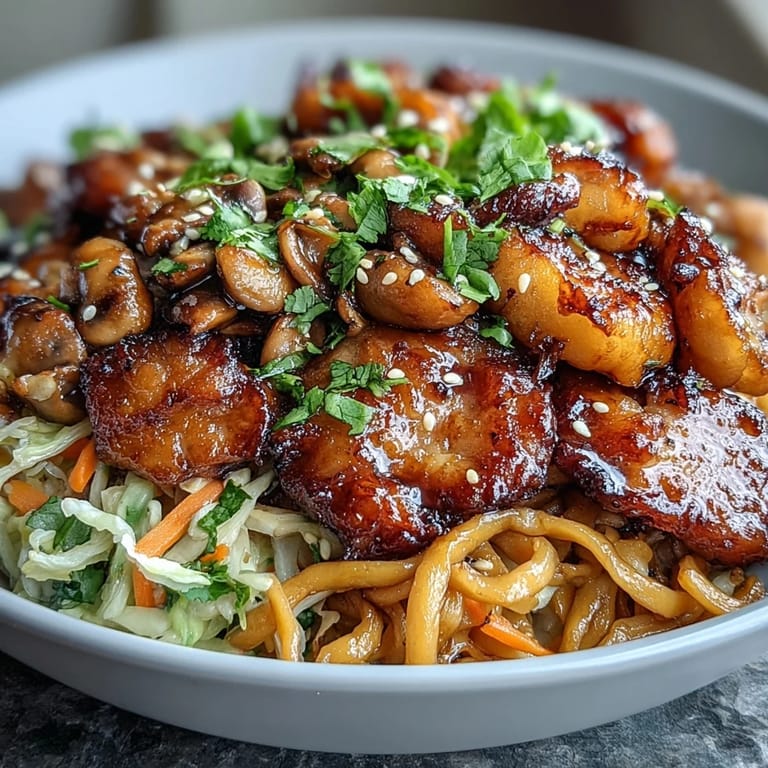
- Taste and adjust with more soy sauce, chili-garlic sauce, or a squeeze of lime. Stir in half the green onion tops, then divide into bowls and top with the rest of the greens, cilantro, and sesame seeds.
 Pin it
 One night, my kids argued over who got the last bowl, and I realized this had quietly become one of those recipes that everyone actually wants to eat. It doesnt require any convincing or negotiation. They just sit down and finish it without complaint, which is more than I can say for most dinners. Thats when I knew it was a keeper.
Choosing Your Noodles
Rice noodles are my go-to because they stay soft and slippery and soak up the sauce without falling apart. If you want something chewier, lo mein or even udon noodles work well. Just make sure you dont overcook them, they should be tender but still have a little bite. I learned this the hard way after turning a batch into mush and having to start over.
Customizing the Heat
I usually start with about a tablespoon of chili-garlic sauce, which gives a noticeable kick without making anyone sweat. If youre cooking for kids or people who dont like spice, cut it down to a teaspoon or skip it entirely and serve it on the side. You can always add more at the table, but you cant take it back once its mixed in. I keep a jar of sambal oelek next to the stove for anyone who wants extra fire.
Making It Ahead and Storing Leftovers
This actually tastes better the next day after the noodles have had time to soak up more of the sauce. Store it in an airtight container in the fridge for up to three days. When you reheat it, add a splash of water or broth to loosen everything up, otherwise the noodles will be dry and clumpy.
- Reheat gently in a skillet over medium heat with a few tablespoons of water.
- You can also microwave it, but stir halfway through and add liquid to keep it from drying out.
- Top with fresh herbs and sesame seeds after reheating so they stay bright and crunchy.
 Pin it
 This bowl has saved me on busy weeknights more times than I can count, and it always feels like a treat even though it comes together in less than an hour. I hope it becomes one of those recipes you turn to when you want something comforting, flavorful, and satisfying without a lot of fuss.
Recipe FAQ
- → Can I use different types of noodles for this dish?
Yes, both rice noodles and lo mein noodles work beautifully. Rice noodles provide a lighter, gluten-free option, while wheat-based lo mein offers a chewier texture. Cook according to package directions and rinse briefly to prevent sticking.
- → What can I substitute for ground pork?
Ground chicken, turkey, or beef all work well with the dumpling-style seasoning. For a plant-based version, use your favorite ground meat alternative and adjust cooking time as the product may brown faster than animal protein.
- → How do I make this gluten-free?
Use rice noodles, gluten-free tamari instead of soy sauce, and check that your oyster sauce is gluten-free or substitute with hoisin sauce. Always verify all condiment labels, as gluten can hide in processed sauces.
- → Can I prepare any components ahead of time?
Absolutely. The sauce can be whisked together and refrigerated up to 3 days ahead. You can also prep all vegetables, season the meat, and store them separately. When ready to cook, simply follow the stir-frying steps for a quick weeknight meal.
- → How spicy is this dish and can I adjust the heat?
The spice level is moderate with 1 tablespoon of chili-garlic sauce. Start with less if you prefer mild flavors, or increase to 2 tablespoons for more heat. You can also serve extra chili-garlic sauce on the side so everyone can customize their bowl.
- → What's the best way to store and reheat leftovers?
Store in an airtight container in the refrigerator for up to 3 days. The noodles may absorb some sauce, so add a splash of water or broth when reheating in a skillet or microwave. Stir gently to redistribute moisture and prevent drying out.