 Pin it
 There's something about the smell of roasted vegetables filling your kitchen that makes you forget you're eating salad. I stumbled onto this recipe on a lazy Sunday afternoon when my crisper drawer was overflowing and I couldn't bear to throw anything away. What started as a cleanup mission turned into one of those dishes that guests keep asking for, especially because you can serve it warm straight from the oven or let it cool and pack it for lunch the next day.
I remember serving this to my neighbor who claimed she didn't eat vegetables, and she went back for seconds without even realizing what she was doing. That's when I knew this recipe had something special—it converts people not through health claims, but because it just tastes genuinely good.
Ingredients
- Zucchini: Cut into half-inch slices so they soften completely but don't turn mushy; thinner pieces tend to disappear into nothing.
- Red and yellow bell peppers: The color contrast matters more than you'd think—one-inch pieces roast evenly and stay slightly firm.
- Red onion: Cut into wedges so the layers stay together instead of scattering all over the pan.
- Eggplant: One-inch cubes work best, and don't skip salting it first if you have time—it draws out moisture and deepens the flavor.
- Cherry tomatoes: Halving them prevents them from rolling around and lets them caramelize on the cut side.
- Olive oil: Two tablespoons for roasting plus three more for the dressing; don't skimp on the quality of the dressing oil.
- Dried Italian herbs: A teaspoon covers it, but if you're using fresh herbs, triple that amount and add them after roasting.
- Mixed salad greens: Anything works, though peppery greens like arugula hold up better to warm vegetables than delicate lettuces.
- Balsamic vinegar: The real stuff tastes nothing like the cheap imitation; it's worth hunting down a decent bottle.
- Dijon mustard: One teaspoon acts as an emulsifier and keeps the dressing from separating.
- Garlic: Mince it fine so it dissolves into the dressing rather than lurking in little chunks.
- Honey or maple syrup: A touch of sweetness rounds out the vinegar and makes the dressing feel balanced.
- Pine nuts or walnuts: Toasting them yourself takes two minutes and makes a massive difference in how much crunch they add.
- Parmesan or feta: Shave or crumble it just before serving so it doesn't get lost in the warm vegetables.
Tired of Takeout? 🥡
Get 10 meals you can make faster than delivery arrives. Seriously.
One email. No spam. Unsubscribe anytime.
Instructions
- Heat your oven and prep your pan:
- Set the oven to 425 degrees and line your baking sheet with parchment paper so cleanup is easier and nothing sticks. This temperature is hot enough to caramelize the vegetables without burning the edges.
- Toss and season:
- In a bowl, coat all your chopped vegetables with the olive oil and dried herbs, making sure every piece gets some oil—this is what creates that golden, slightly crispy exterior. Season generously with salt and pepper.
- Spread and roast:
- Lay everything in a single layer on the pan, which matters more than you'd think because crowding leads to steaming instead of roasting. Stir everything halfway through so the other sides get a chance to caramelize, then roast for 25 to 30 minutes until the edges are lightly browned.
- Make the dressing while you wait:
- Whisk together the olive oil, balsamic vinegar, mustard, minced garlic, and honey until it looks emulsified and slightly thick. Taste it and adjust—add more vinegar if it's too rich, or a pinch more honey if it's too sharp.
- Assemble with intention:
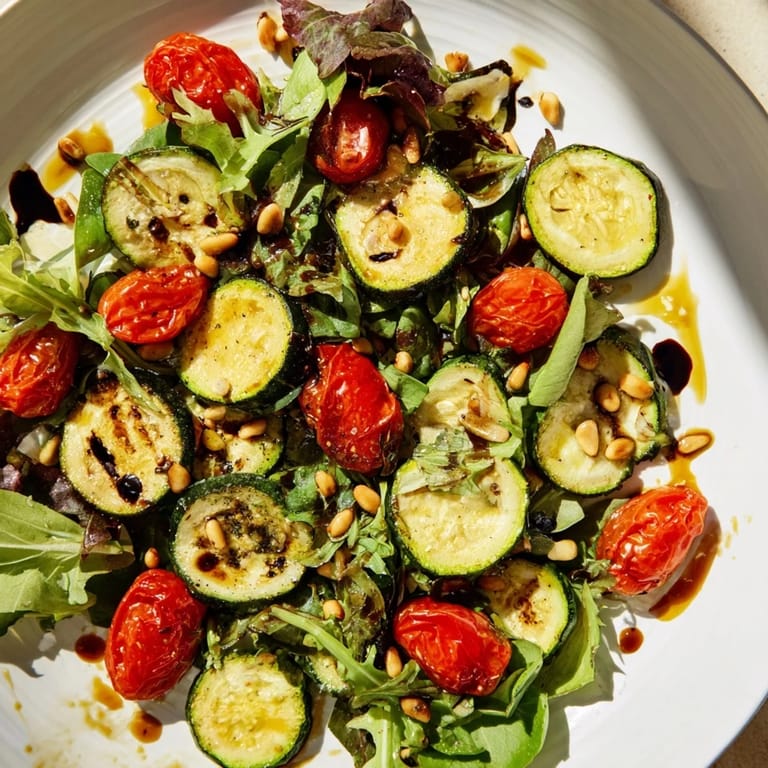
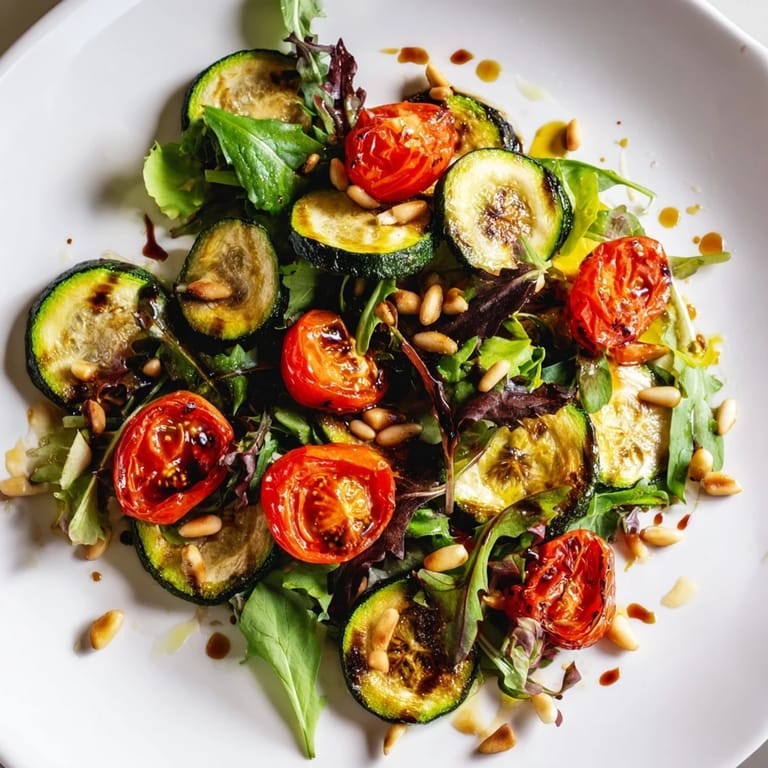
- Pile the greens onto a platter or plates, then top with the roasted vegetables while they're still warm so they start to wilt the greens just a little bit. Drizzle the dressing over everything and finish with a scatter of toasted nuts and cheese if you're using them.
 Pin it
 What I love most is when someone takes a forkful and actually pauses to taste it, no longer thinking about salad as something you eat because you should. That moment when food stops being a chore and becomes something worth talking about—that's what this dish does.
Why Warm Vegetables Change Everything
The warmth does something to both the vegetables and the greens that you can't replicate with cold salad. The heat softens the lettuce just enough to make it tender without wilting it completely, and it lets the dressing sink in rather than sitting on top. If you've only ever eaten cold salads, try this once and you'll understand why warm salads exist—they feel more like actual cooking, more like comfort food that happens to be vegetables.
Playing With the Roasted Vegetables
Once you make this, you'll start seeing your vegetable drawer differently. Sweet potatoes or carrots add earthiness, mushrooms bring umami, even brussels sprouts become crispy and delicious when roasted at high heat. The technique is always the same: toss with oil and herbs, spread in a single layer, and let the oven do the work. Some nights I roast whatever needs using up, then build the salad around it rather than buying specific vegetables.
Making It Ahead and Storing Leftovers
The best part about this salad is that it tastes better the next day after everything has had time to meld together in the fridge. Assemble the components separately and combine them only when you're ready to eat, otherwise the greens get too soft. The roasted vegetables keep for four days covered, and you can always make fresh greens or even use different greens the next day to keep it interesting.
- Store roasted vegetables in an airtight container and add fresh greens when you're ready to serve.
- The dressing keeps for a week and tastes great on other salads, roasted vegetables, or even grilled chicken.
- If you're packing it for lunch, keep the dressing separate and drizzle it right before eating so nothing gets soggy.
 Pin it
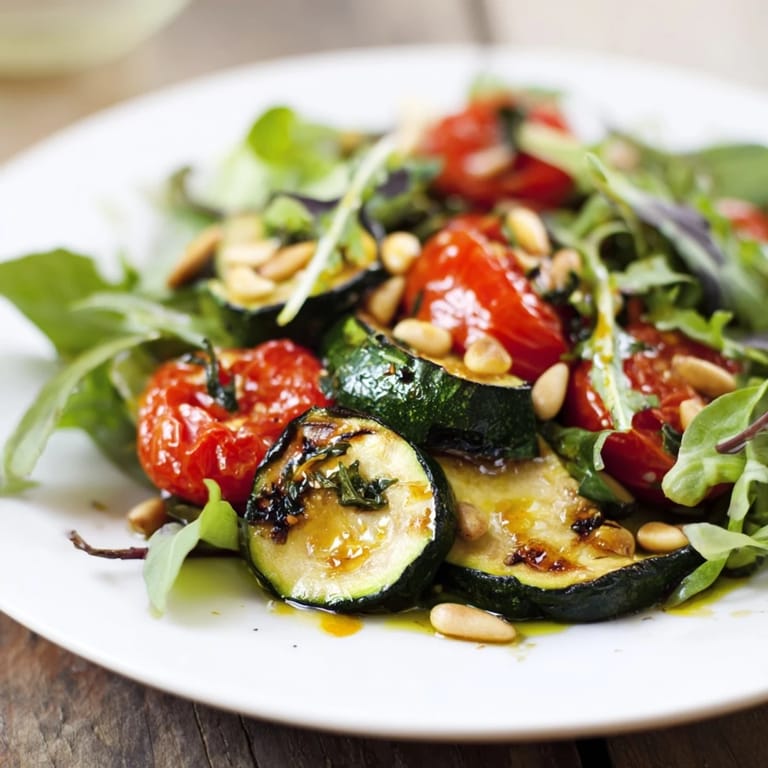
 This salad proves that vegetables don't need apologies or heavy creams to be satisfying. Make it once and it becomes part of your rotation, the thing you reach for when you want something that tastes like you actually tried but was somehow effortless to put together.