 Pin it
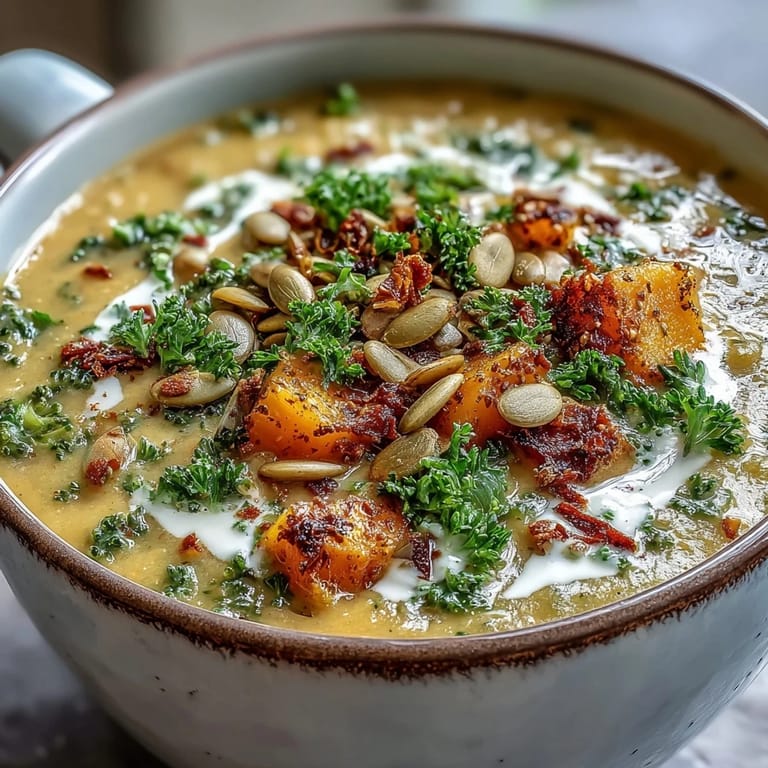
 There's something about autumn that makes you crave warmth in a bowl, and this soup arrived in my kitchen on a particularly chilly afternoon when I had a butternut squash sitting on the counter and broccoli that needed using up. I decided to roast everything together on a whim, and the moment that caramelized aroma hit me while pulling the tray from the oven, I knew this wasn't going to be an ordinary soup. The sweetness of the squash mingling with the earthy char of the broccoli felt like the kitchen was telling me something good was about to happen.
I made this for my sister one October evening when she was going through a rough week, and watching her face soften with that first spoonful reminded me why simple food matters. She asked for the recipe immediately, then admitted she'd been living on takeout and frozen meals because cooking felt overwhelming. Now this is her go-to when she needs to feel like someone cares, even if that someone is just herself in the kitchen.
Ingredients
- Butternut squash: The star here, and peeling it ahead of time saves you frustration on cooking day, though if you can find pre-cubed squash at the market, that's permission to take the shortcut.
- Broccoli florets: Cut them into roughly equal pieces so they roast evenly and don't end up with some burnt while others are still soft.
- Yellow onion: Roasting transforms it into something almost sweet, so don't skip it thinking you can add it later in broth.
- Garlic cloves: Leave them whole while roasting, then they'll practically slip out of their skins and turn mellow and jammy.
- Vegetable broth: Use the good stuff, the kind that actually tastes like vegetables, because it won't get hidden in a heavy sauce.
- Coconut milk or heavy cream: This is where you choose your path: coconut milk keeps it vegan and adds a subtle sweetness, while heavy cream makes it decadently rich.
- Olive oil: Good quality oil makes a noticeable difference when you're roasting, so don't use the cheapest bottle in the cabinet.
- Cumin and nutmeg: These warm spices are what transform this from nice soup into something people remember, so measure carefully and don't overshadow them with salt.
Tired of Takeout? 🥡
Get 10 meals you can make faster than delivery arrives. Seriously.
One email. No spam. Unsubscribe anytime.
Instructions
- Get your vegetables prepped and ready:
- Cut everything into pieces that are roughly the same size so they roast evenly, and don't worry if they look a little chaotic on the baking sheet. Line your sheet with parchment paper and you'll thank yourself later when cleanup is effortless.
- Toss and season generously:
- Drizzle the olive oil directly over the vegetables, then sprinkle the salt, pepper, and cumin evenly across everything before tossing with your hands. This step takes maybe two minutes and makes all the difference in flavor.
- Roast until the edges caramelize:
- Set your oven to 425°F and slide the tray in, then set a timer for about 15 minutes before you stir. The vegetables should go from raw to golden and tender in 25 to 30 minutes total, and that slight browning is what gives the soup its depth.
- Simmer the roasted vegetables with broth:
- Transfer everything to a large pot and pour in your vegetable broth, then let it come to a gentle simmer over medium heat. Ten minutes of simmering lets all those roasted flavors really settle into the broth.
- Blend until silky smooth:
- This is where an immersion blender is your friend because you can blend right in the pot without carefully transferring hot soup. If you're using a countertop blender, work in batches and hold the lid down with a kitchen towel to avoid splatters.
- Stir in creaminess and final seasoning:
- Add your coconut milk or cream, then grate in the nutmeg directly over the pot and stir it through. Taste and adjust the salt, and if you want it brighter, this is the moment to add a squeeze of lemon.
- Serve and garnish generously:
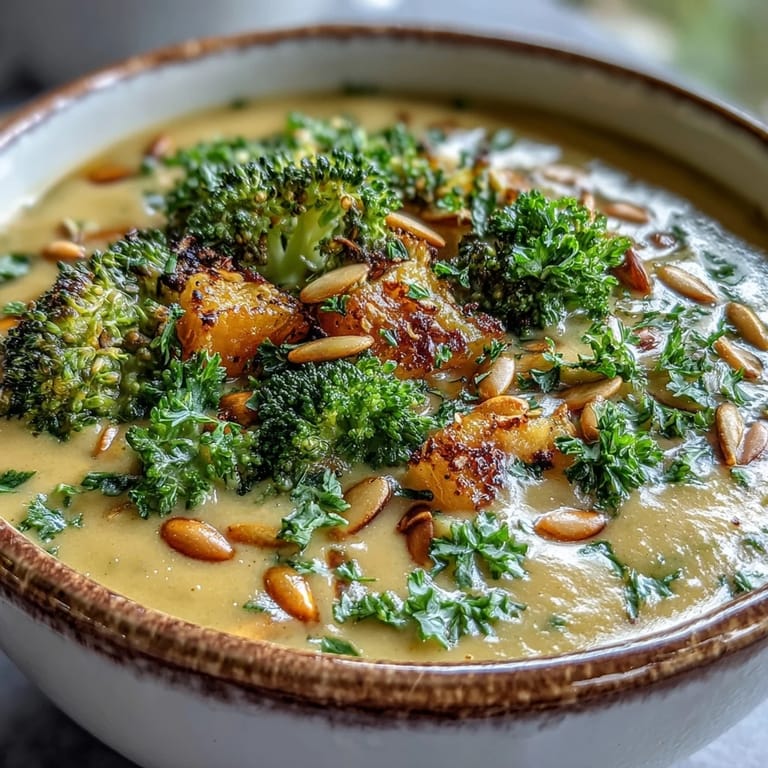
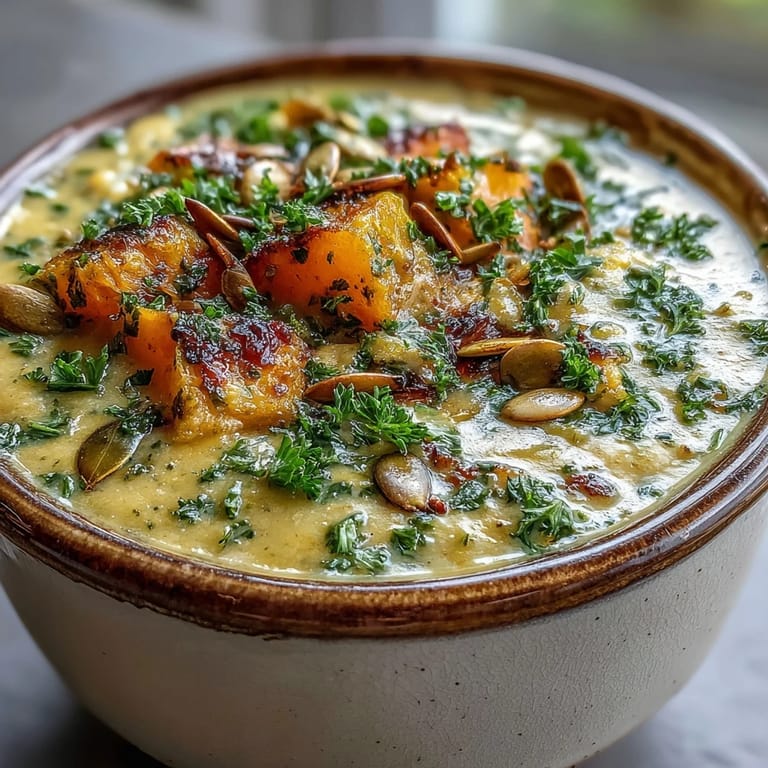
- Ladle into bowls and scatter toasted pumpkin seeds on top along with fresh parsley if you have it. A final drizzle of coconut milk or cream makes it look intentional and tastes like you spent the whole day on this.
 Pin it
 My kitchen filled with the warmth of this soup on the first evening that actually felt like fall, and I realized I was making it not just for nutrition but because something in me needed its comfort. That's when you know a recipe has become more than instructions on a page.
Why Roasting Matters
The difference between this soup and a quick blended version starts entirely with the oven. When you roast vegetables instead of boiling them, the heat draws out moisture and concentrates the natural sugars, creating caramelized surfaces that taste almost sweet. The butternut squash becomes buttery, the broccoli gets nutty, and even the onion develops a depth that wouldn't happen if you just threw raw vegetables into a pot. I learned this the hard way by once trying to rush through the recipe by skipping roasting, and the result was pale and one-dimensional in a way that made me understand the 25 minutes in the oven wasn't optional.
Choosing Your Cream
The choice between coconut milk and heavy cream is genuinely personal and changes what you're eating in subtle ways. Coconut milk keeps the soup lighter and adds a whisper of tropical sweetness that makes the spices sing differently, while heavy cream makes it thick and luxurious in that old-fashioned way that feels like something your grandmother would have made. I've made it both ways depending on my mood and what I have on hand, and there's no wrong answer, only different versions of delicious.
Serving and Storing
This soup tastes even better the next day after the flavors have settled and gotten to know each other, so it's perfect for making ahead. Store it in an airtight container in the refrigerator for up to four days, and reheat gently on the stove, adding a splash of broth if it's thickened up too much. It also freezes beautifully for up to three months, which means on a cold day when you don't have energy to cook, you can have something homemade and comforting waiting for you.
- Add a pinch of cayenne pepper if you like a little heat hiding underneath the sweetness.
- A squeeze of fresh lemon juice right before serving brings brightness that makes you taste the vegetables more clearly.
- Serve alongside crusty bread or with a simple green salad for a complete meal that feels intentional.
 Pin it
 This soup has become my answer to almost everything: when I want something warm, when someone needs comfort, when the weather turns and my kitchen needs to smell like home. Make it once and you'll understand why it keeps coming back to the table.
Recipe FAQ
- → Can I make this soup ahead of time?
Absolutely. This soup actually tastes better the next day as flavors continue to develop. Store in an airtight container in the refrigerator for up to 4 days. Reheat gently over medium-low heat, adding a splash of broth if needed to thin consistency.
- → Can I freeze this soup?
Yes, it freezes beautifully. Cool completely before transferring to freezer-safe containers, leaving space for expansion. Freeze for up to 3 months. Thaw overnight in the refrigerator and reheat slowly, stirring occasionally.
- → What can I substitute for coconut milk?
Heavy cream creates a richer result, while unsweetened almond milk offers a lighter alternative. For a dairy-free option, cashew cream blends seamlessly and adds subtle nuttiness that complements the roasted vegetables.
- → Do I have to roast the vegetables first?
Roasting is essential for the deep, caramelized flavor that makes this version special. The high-heat cooking concentrates natural sugars and creates subtle char notes. Simmering raw vegetables would result in a milder, less complex taste.
- → How can I make this soup more filling?
Add cooked white beans or lentils during the final simmer for protein. A scoop of cooked quinoa or rice stirred in before serving adds substance. Serving with whole grain bread also transforms it into a more substantial meal.
- → Can I use frozen squash or broccoli?
Frozen butternut squash works well as it's typically pre-cubed. Thaw and pat dry before roasting to prevent sogginess. Frozen broccoli becomes mushy when roasted—use fresh florets for best texture and flavor.