 Pin it
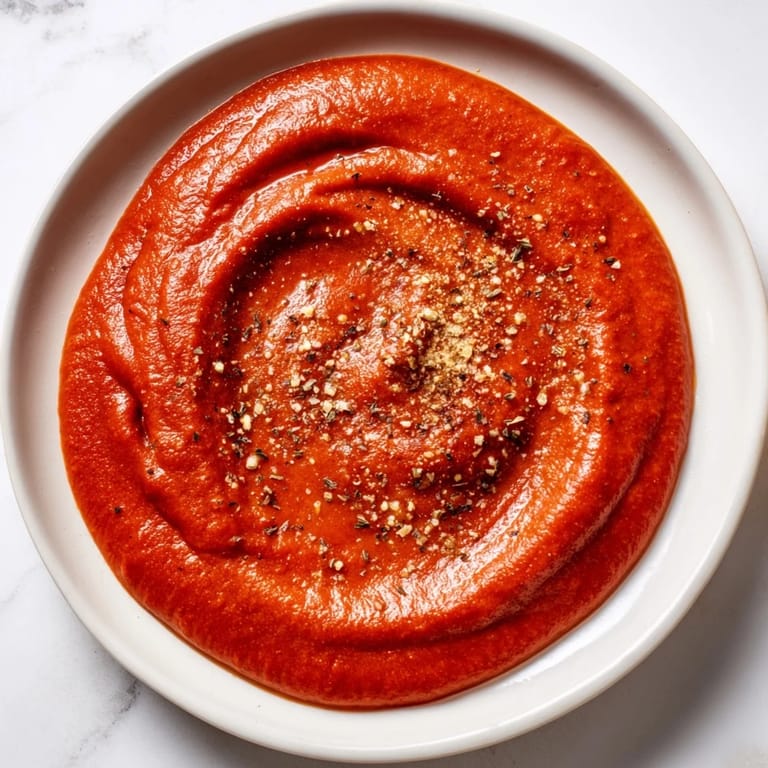
 One Tuesday night when my pasta water was boiling and I realized I'd forgotten to make sauce, I grabbed a can of tomato sauce and a stick of butter from the fridge and threw them into a pan. Something magical happened—the butter melted into the tomato, turning it silky and rich, nothing like the thin red liquid I'd started with. That ten-minute accident became the sauce I reach for constantly now, especially when someone texts asking if they can come over in an hour. It's the kind of recipe that proves you don't need hours or complexity to make something taste genuinely delicious.
I made this sauce for my neighbor once when she brought over fresh pasta she'd rolled out by hand, and watching her face when she tasted it—how surprised she was that butter and tomato sauce could taste so creamy—reminded me that sometimes the best dishes aren't the complicated ones. The sauce clung to every piece of pasta, and we ended up having a whole evening together that started because I had ten minutes and the right pantry items.
Ingredients
- Tomato sauce: Use plain, unsalted tomato sauce as your base—fire-roasted or San Marzano varieties give deeper, sweeter flavor that makes the sauce taste like it simmered all afternoon.
- Unsalted butter: This is the magic ingredient that transforms thin tomato sauce into something luxurious and coating; cold butter melting slowly into warm tomato creates the creaminess without needing cream.
- Garlic powder: A teaspoon is enough to give the sauce personality without overpowering it, but taste as you go if you prefer more subtle seasoning.
- Salt and black pepper: These do the real work of making the tomato taste like itself, so taste the sauce before serving and adjust—store-bought tomato sauce varies wildly in saltiness.
- Heavy cream (optional): A tablespoon makes the sauce even silkier if you're in the mood for richness, though honestly the butter does most of that work already.
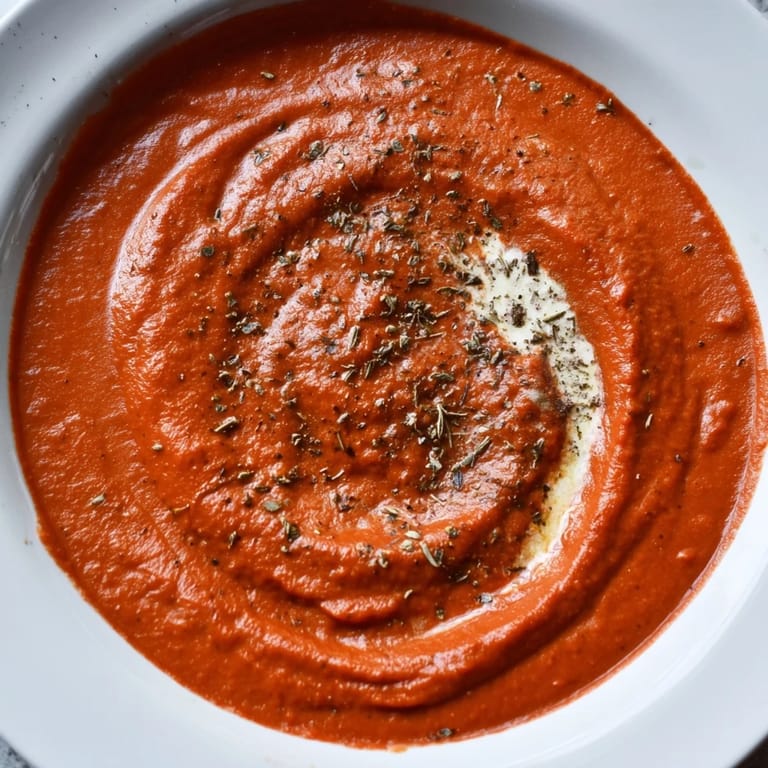
- Dried Italian herbs (optional): Basil and oregano add a whisper of something herbal that makes it taste slightly more complex, but the sauce is already delicious without them.
Tired of Takeout? 🥡
Get 10 meals you can make faster than delivery arrives. Seriously.
One email. No spam. Unsubscribe anytime.
Instructions
- Combine and melt:
- Pour your tomato sauce into a medium saucepan, add the butter and garlic powder, and turn the heat to medium. You'll watch the butter slowly bloom into the red sauce, and that's when you know something good is happening.
- Let it come together:
- Stir occasionally and wait about five minutes for the sauce to start actually simmering, not just warming. The butter will fully melt and integrate, and the sauce will smell suddenly alive and savory.
- Season to taste:
- Add salt and pepper, stir well, and actually taste it—this is the moment you adjust everything to match what you want. If it needs more depth, this is when you'd add cream or herbs.
- Finish with cream and herbs (optional):
- Stir in heavy cream if you're using it, along with dried Italian herbs if you want them, letting them warm through for a minute or two until the sauce smells herbaceous and rich.
- Final simmer:
- Let the sauce bubble gently for another two to three minutes, stirring every so often. Taste again, adjust salt and pepper if needed, and you're done.
 Pin it
 My roommate in college made this sauce one night when we were both too tired to think, and somehow it made midnight pasta feel like an actual meal instead of just filling our stomachs. That's when I realized sauce isn't about time or effort—it's about caring enough to use real butter instead of whatever's convenient, and taking ten minutes to do it right.
Why This Works as Your Go-To Sauce
Tomato sauce and butter are one of those combinations that tastes intentional even though it's basically accidental—the butter rounds out the tomato's acidity and adds weight to the sauce, making it coat pasta instead of sliding off. Garlic powder dissolves instantly into the heat, so you get seasoning without texture, and there's something oddly comforting about a sauce you can actually taste the ingredients in. The whole thing takes longer to boil water than to make, which is the whole point of having it in your rotation.
Variations That Make It Your Own
Once you've made this basic version a few times and know how it should taste, you can start playing with it—add a pinch of red pepper flakes if you want heat, or a tiny pinch of sugar if your tomato sauce tastes too acidic. Some people swear by a splash of pasta water at the end to thin it out slightly, while others add an anchovy fillet that melts into the butter and adds umami without tasting fishy. The beauty is that the base is so simple that additions feel like gifts you're giving yourself, not complications.
Storage and Keeping It Around
This sauce keeps in the refrigerator for up to four days in an airtight container, and it actually tastes better on day two or three as flavors settle together. You can reheat it gently on the stove with a splash of pasta water or even a little more butter if it looks too thick, and it comes back to life without any fuss. For a vegan version, plant-based butter works surprisingly well—use a brand you actually like eating because the flavor will come through.
- If you're meal prepping, make a double batch and you'll have sauce ready for quick pasta nights all week.
- Leftover sauce also works beautifully as a pizza base or dipping sauce for bread, so it's never really wasted.
- Keep your tomato sauce in the pantry and butter in the fridge, and you're always ten minutes away from a proper meal.
 Pin it
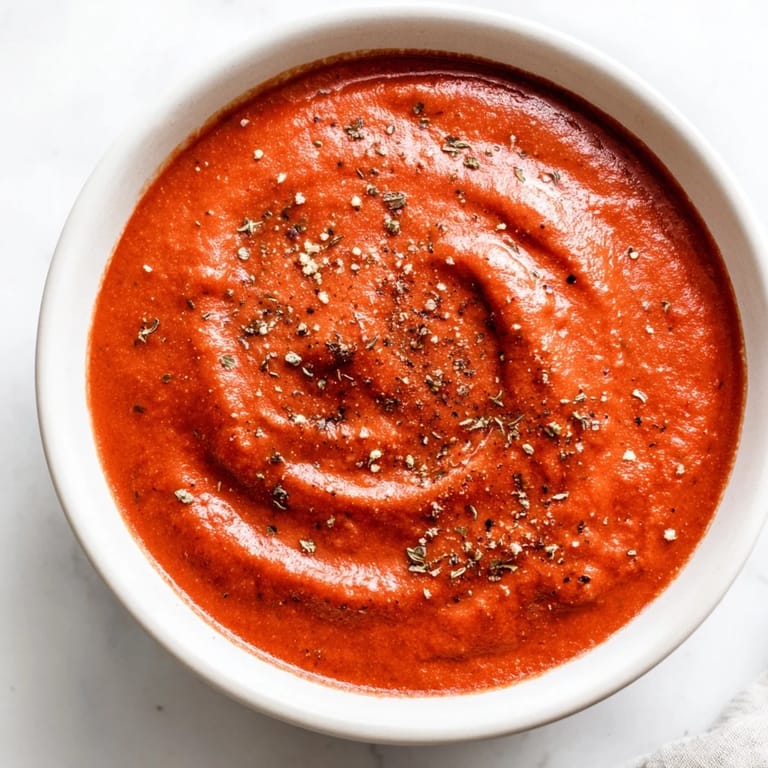
 There's something really satisfying about making something people think took effort when it basically made itself—this sauce is that exact feeling in a bowl. Keep making it, taste it as you go, and you'll stop calling it a hack and start calling it your recipe.
Recipe FAQ
- → What ingredients create the creamy texture in this sauce?
Butter adds richness and smoothness, while optional heavy cream enhances velvety mouthfeel.
- → How long does it take to prepare and cook this sauce?
Preparation takes about 2 minutes, and cooking requires an additional 8 minutes for full flavor melding.
- → Can I make a dairy-free version of this sauce?
Yes, substitute the butter with a plant-based alternative to suit dairy-free needs.
- → What herbs can be added for extra flavor?
Dried Italian herbs like basil and oregano add aromatic depth and complement the tomato base.
- → How can I adjust the seasoning for taste?
Salt and black pepper are used to balance flavors, and a pinch of red pepper flakes can add heat.
- → Is this sauce suitable for gluten-free diets?
Yes, as long as gluten-free tomato sauce is used, this sauce remains gluten-free.