 Pin it
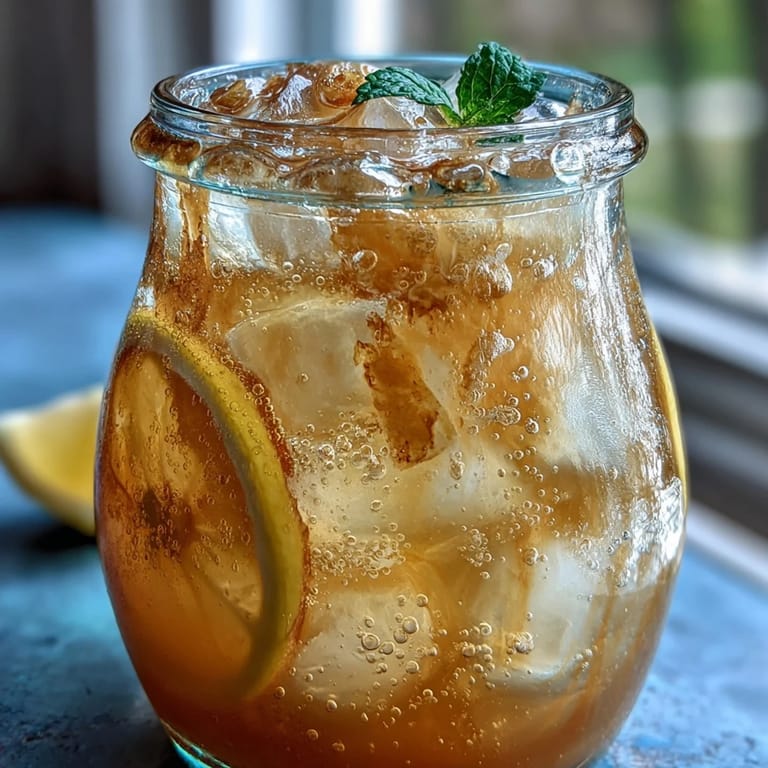
 There’s something unexpectedly cheerful about the gentle pop of a fermenting lemonade bottle. The first time I noticed the bubbles creeping up the side of the jar, I was in the middle of cleaning and almost missed it—a quiet, satisfying reminder that nature is quietly at work, even in my own kitchen. This sparkling fermented lemonade was born out of a bout of curiosity on an ordinary afternoon when I craved something brighter and less sugary than store-bought sodas. The citrus scent that lingered on my hands after juicing those fat, golden lemons stuck with me long after the first sip. Making this naturally effervescent drink has become a joyful sort of ritual, especially when I need a midweek pick-me-up that feels just a bit special.
I remember handing a glass of this to my neighbor after a sweaty afternoon gardening together—she looked surprised when the lemonade fizzed over the ice, and we both laughed at how impossible it seemed to get this sort of sparkle without a soda stream. Watching her reaction as she took her first sip (and insisted on the recipe) still makes me smile. This is a drink for sharing in porch-side conversations or sneaking into a picnic basket on a whim.
Ingredients
- 8 large lemons, juiced (about 1½ cups/360 ml juice): The fresher your lemons, the brighter and more aromatic your lemonade—roll them on the counter before cutting for extra juiciness.
- 1½ liters (6 cups) filtered water: Clean water keeps unwanted flavors away and helps the natural fermentation shine through.
- 120 g (⅓ cup + 1 tbsp) raw honey (unpasteurized): Raw honey is the secret engine behind the fizz—make sure it’s unpasteurized, as processed honey won’t ferment.
- 1 small knob fresh ginger, peeled and sliced (optional): Ginger brings a gentle warmth and subtle spice to each glass—add it if you need a bit more kick.
- 1 sprig fresh mint (optional): Mint lends a cool, herbal note that’s extra refreshing on hot days—just bruise the leaves before tossing them in.
Tired of Takeout? 🥡
Get 10 meals you can make faster than delivery arrives. Seriously.
One email. No spam. Unsubscribe anytime.
Instructions
- Juice and Combine:
- Pour the fresh lemon juice and filtered water into a big glass jar or pitcher. You’ll notice the lemon oils release an amazing scent as you squeeze and mix.
- Sweeten the Base:
- Spoon in the raw honey and stir it well—keep going until the honey melts into the liquid with no streaks left behind.
- Add Optional Flavor:
- If you want a twist, drop in ginger slices or mint now and gently press them with a spoon to coax out their flavors.
- Prepare for Fermenting:
- Pour the entire mixture into your large, spotlessly clean fermentation jar, leaving a couple of inches clear at the top for any bubbling over.
- Seal and Wait:
- Cover the jar loosely with its lid or fit a fermentation airlock—then nestle it somewhere room temperature and shaded. Each day, take a peek and maybe swirl the jar gently to keep the flavors mingling.
- Taste and Bottle:
- After 2 to 3 days, give it a cautious taste. It should be tangy and slightly fizzy by now—when it’s just right, pour the lemonade into clean swing-top bottles and seal them tightly.
- Chill and Serve:
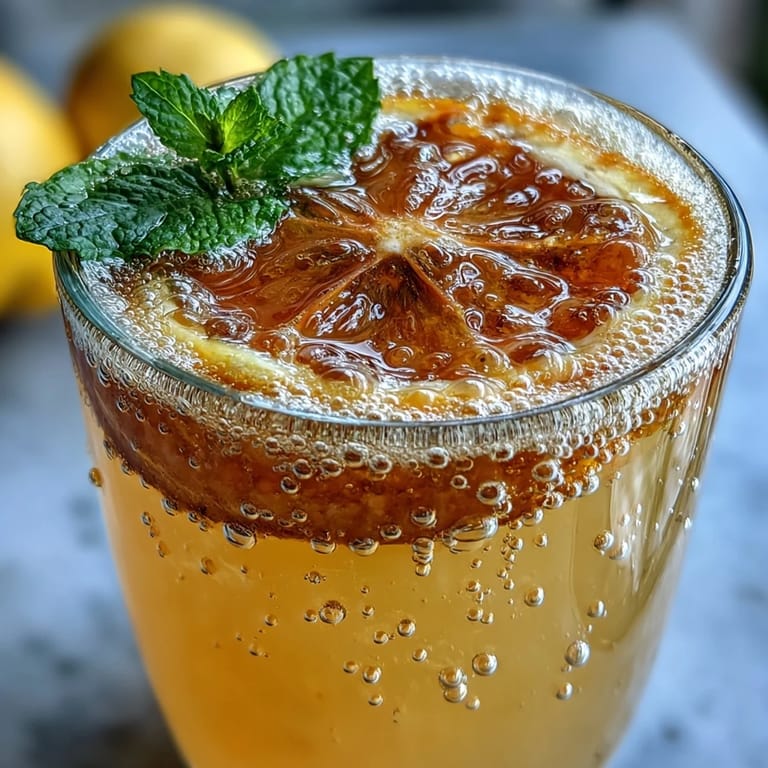
- Refrigerate your bottled lemonade for at least 4 hours. When cold, crack open (slowly!) and serve over ice—don’t be surprised if everyone gathers around to watch the fizz.
 Pin it
 This lemonade turned from an experiment into a sort of kitchen celebration the afternoon my niece joined me, splashing the sweet mix onto the countertop and calculating how many bubbles could fit in a single glass. Every bottle opening now brings back her delighted giggle at the spicy ginger version. It’s a sparkling memory as much as a sparkling drink.
Simple Ways to Switch Up the Flavor
After playing around with the add-ins, I learned that you can toss in berries for a pinkish hue or a few torn basil leaves for a summery edge. Even a small pinch of sea salt brings out surprising depth—try it once and you’ll know what I mean. The beauty of fermenting your own lemonade is experimenting based on what’s in your fridge or garden.
How to Tell When It’s Ready
The lemonade starts out quiet, but after a day or so you’ll notice tiny bubbles huddling at the collar of the jar. Give it a swirl and listen for a faint hiss; that’s how you know the magic’s happening. Taste every day—by the third you’ll get that pleasant zing, and if you wait too long, it gets extra tangy (not a bad thing for true lemon lovers).
Making Bottling Day a Breeze
I always line the counter with a tea towel in case of ambitious fizz and use a funnel for mess-free transfer into swing-top bottles. Tight sealing ensures you capture all the sparkle, and you can pop the bottles in an ice bath if you’re in a rush to chill them. Don’t forget to label the bottles with the date, so you remember exactly how long they’ve been dancing on your fridge shelf.
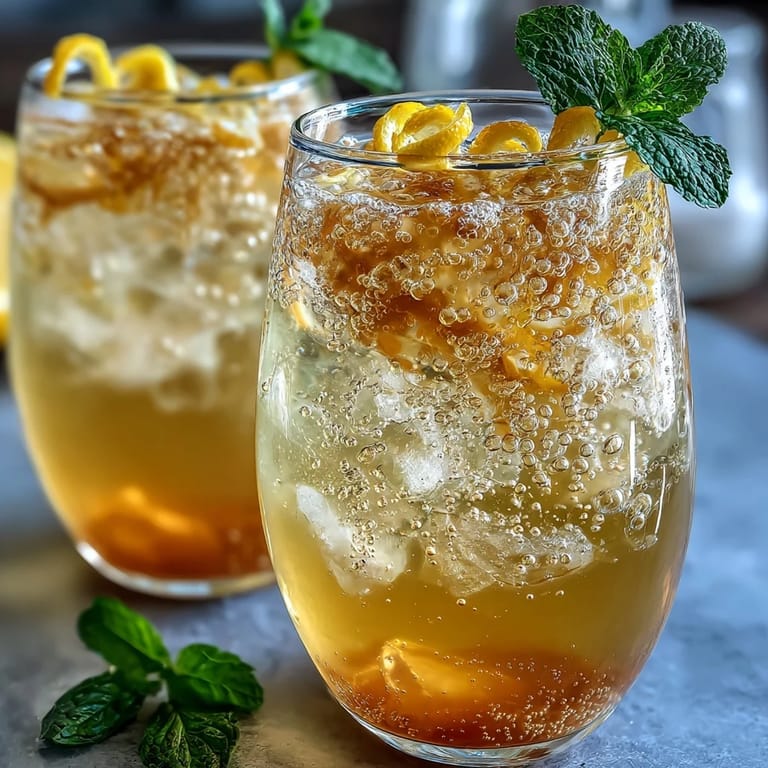
- If you’re feeling fancy, add edible flowers just before serving—they float beautifully on the bubbles.
- A gentle tilt when opening bottles helps prevent geysers and sticky surprises.
- Never forget to check for pressure daily; safety comes first with fermentation!
 Pin it
 May your kitchen be filled with the scent of fresh lemons and your glasses always greet you with a sparkling cheer. Here’s to playful afternoons and naturally fizzy sips shared with people you love.
Recipe FAQ
- → How long should I ferment the lemonade?
Ferment at room temperature for 2–3 days, tasting daily until the balance of tang and fizz suits you. For a stronger effervescence you can extend to 4 days, but monitor pressure and flavor closely.
- → Can I use pasteurized honey instead of raw honey?
Raw, unpasteurized honey is recommended because it contains natural yeasts that encourage gentle fermentation. Pasteurized honey may not ferment reliably and will alter the flavor and activity.
- → How do I prevent bottles from over-pressurizing?
Leave some headspace in bottles, use sturdy swing-top containers, refrigerate once desired fizz is reached, and open bottles slowly to release built-up gas. If using jars, "burp" them daily during active fermentation to avoid pressure buildup.
- → What sweetener substitutions work if I don't have raw honey?
Cane sugar can ferment but produces a different flavor profile and may ferment more vigorously; maple syrup and agave will also ferment differently. If substituting, expect changes in taste and fermentation speed and monitor carbonation carefully.
- → Any tips for flavor variations?
Add sliced fresh ginger for warmth, a sprig of mint for brightness, or mashed berries for color and fruit complexity. A pinch of sea salt can enhance brightness; add extras before fermentation or when bottling for subtle differences.
- → How should I store the finished beverage and how long does it keep?
After bottling, refrigerate and chill at least four hours before serving. Stored cold, the sparkling lemonade will stay lively for about 1–2 weeks but will gradually lose carbonation and become tangier over time.