 Pin it
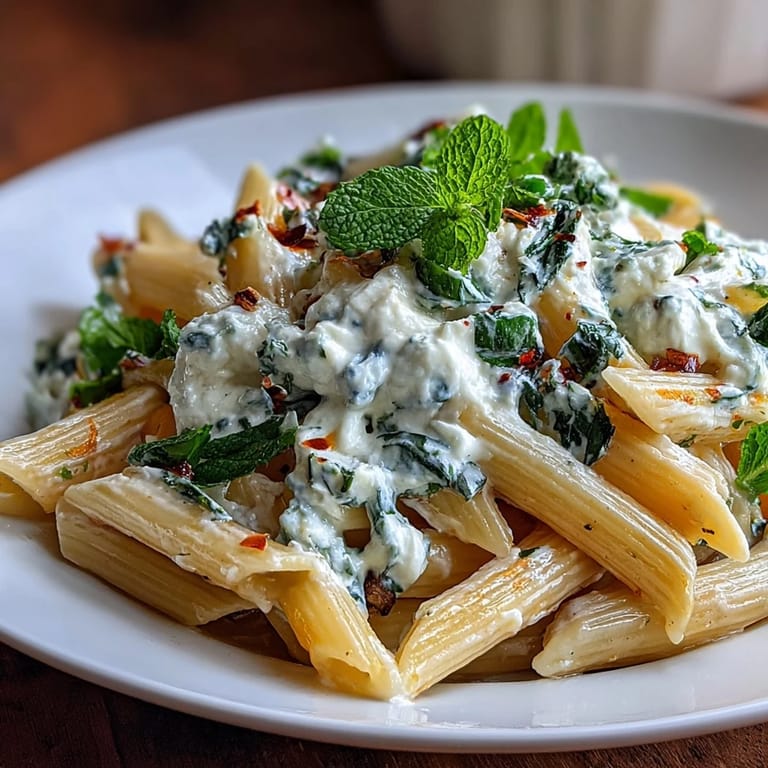
 There's a moment every spring when I open the farmers market bag and suddenly the kitchen smells green—that's when I know it's time for this pasta. My neighbor stopped by one April afternoon, caught the aroma of mint and garlic hitting hot oil, and asked what smelled like summer arriving early. That's exactly what this dish is: the feeling of longer days and lighter meals, all tossed together in one pan.
I made this for my partner on a Tuesday when we both came home exhausted, and somehow those few bites of bright green pasta reset everything. The mint hit first, then the sweetness of the peas, and suddenly we were both sitting quieter, breathing better. It became our go-to dish for those moments when we needed something nourishing but not heavy, something that tasted like care without demanding hours in the kitchen.
Ingredients
- Short pasta (penne, fusilli, or orecchiette): 350 g (12 oz) The shape matters here because tiny peas get caught in the curves, so skip long thin pasta.
- Fresh or frozen peas: 250 g (1 2/3 cups) Frozen ones work just as well as fresh and honestly cook more evenly—no shame in using them.
- Garlic: 2 cloves, finely chopped Chop it small so it dissolves into the oil rather than sitting there in chunks.
- Lemon zest: From 1 unwaxed lemon This is the secret brightness that makes people ask what you did differently.
- Ricotta cheese: 250 g (1 cup) Don't buy the liquid kind in a tub; get the solid stuff that you can scoop.
- Parmesan cheese: 50 g (1/2 cup) grated, plus extra Freshly grated tastes noticeably better than pre-grated, and it melts more smoothly.
- Fresh mint: 1 small bunch (about 15 g), finely chopped Tear the leaves by hand instead of chopping if you want them to stay bright green.
- Extra-virgin olive oil: 2 tbsp Use one you actually like the taste of, since you're not cooking it hot.
- Black pepper: Freshly ground Grind it right before serving so the flavor stays sharp.
- Salt: For pasta water and seasoning.
Tired of Takeout? 🥡
Get 10 meals you can make faster than delivery arrives. Seriously.
One email. No spam. Unsubscribe anytime.
Instructions
- Get the pasta water going:
- Fill your largest pot with water, salt it generously (it should taste like the sea), and bring it to a rolling boil. This is your secret ingredient later, so don't skip reserving a cup of it once the pasta drains.
- Cook the pasta:
- Add pasta and stir it a few times in the first minute so nothing sticks together. Cook until it's al dente—still with a tiny bit of resistance when you bite it—then drain, saving that starchy water in a bowl or measuring cup.
- Warm the oil and toast the garlic:
- In a large pan over medium heat, pour in the olive oil and add your chopped garlic. Wait for it to smell incredible, about 1 minute, then you'll know the flavors are waking up.
- Add the peas:
- Toss the peas into the warm oil and let them cook for 2 to 3 minutes (a minute longer if they're frozen). They'll turn bright and tender, and the pan will smell like spring itself.
- Bring it all together:
- Add the drained pasta to the peas and toss everything so it's coated in that green, garlicky oil. This is where the pasta starts becoming something more than just pasta.
- Make the sauce creamy:
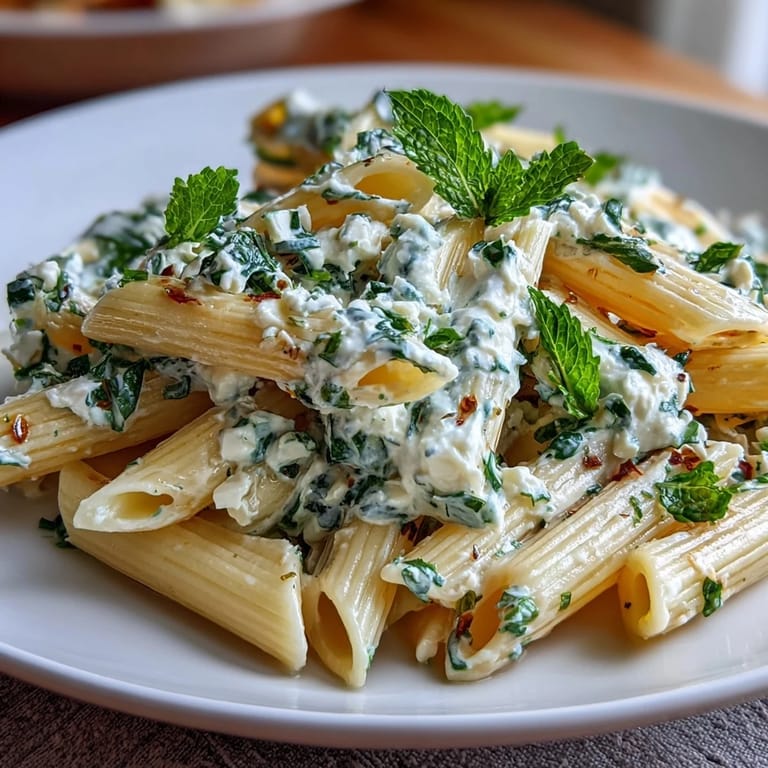
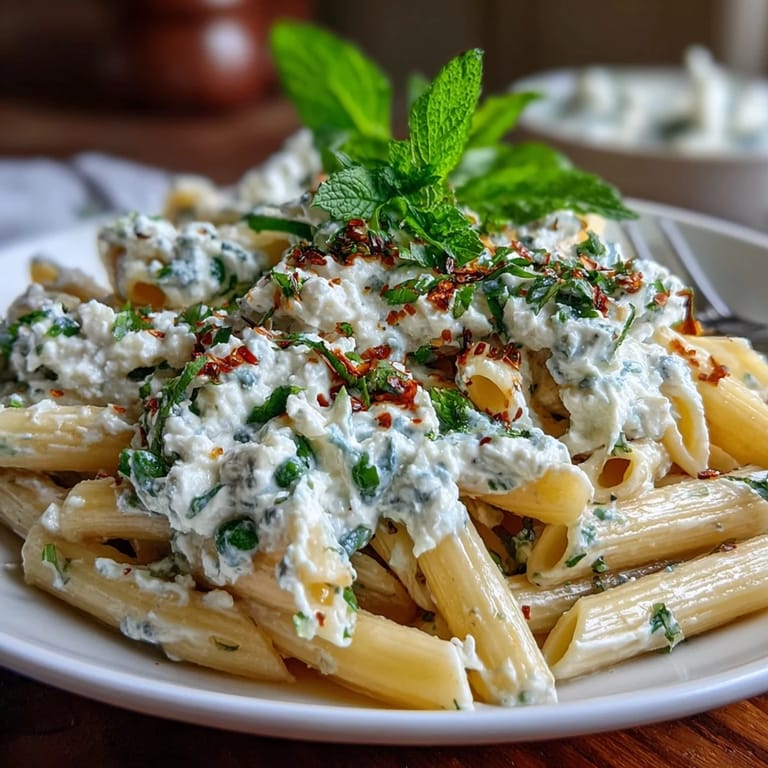
- Remove the pan from heat, then add the ricotta, lemon zest, Parmesan, and half the mint. Stir gently, adding pasta water a splash at a time until you get a sauce that clings to each piece of pasta like a light coat.
- Taste and finish:
- Season with salt and plenty of black pepper, then divide among plates and scatter the remaining mint and extra Parmesan on top. Eat it while it's still warm.
 Pin it
 One spring evening, I realized this dish had become more than just dinner—it was a language we spoke on tired nights, a way of saying we're still here and we still remember how to take care of ourselves. The combination of those three things, the ricotta and the mint and the bright lemon, somehow knew exactly what we needed.
Why This Works
The ricotta is the thing that makes this special. Most cream-based pastas lean on heavy cream or butter, but ricotta gives you that luxurious mouthfeel without weighing you down. It's mild enough that the peas and mint can actually be heard—if that makes sense—because nothing is trying to outshout everything else. The garlic and lemon zest balance the sweetness of the peas so your palate stays interested from first bite to last.
Variations and Improvisation
This pasta is genuinely forgiving, which is part of why I keep coming back to it. Some nights I've added a handful of spinach or arugula right at the end, and the pasta just absorbs that extra green without complaining. Other times I've thrown in toasted pine nuts for texture, or a pinch of red pepper flakes if I wanted to wake things up. Even the mint is flexible—basil works, though it tastes like a different season entirely.
Pairing and Serving Suggestions
This dish wants to be eaten with a crisp white wine—Sauvignon Blanc or Pinot Grigio, something that echoes the freshness already on your plate. Pair it with a simple green salad dressed in lemon vinaigrette, or just some crusty bread to push the creamy sauce around. Because the pasta itself is quite light, it feels right for lunch too, not just dinner.
- A squeeze of fresh lemon juice right before eating brightens everything one final time.
- If you're cooking for someone new, this dish is impressive without announcing itself as impressive.
- Leftovers taste better than you'd expect, though the pasta will absorb more sauce as it sits—add a splash of water when you reheat.
 Pin it
 This is the kind of recipe that stays in your rotation because it asks so little and gives so much back. Make it once and you'll probably make it a dozen more times before you even realize it's become a habit.