 Pin it
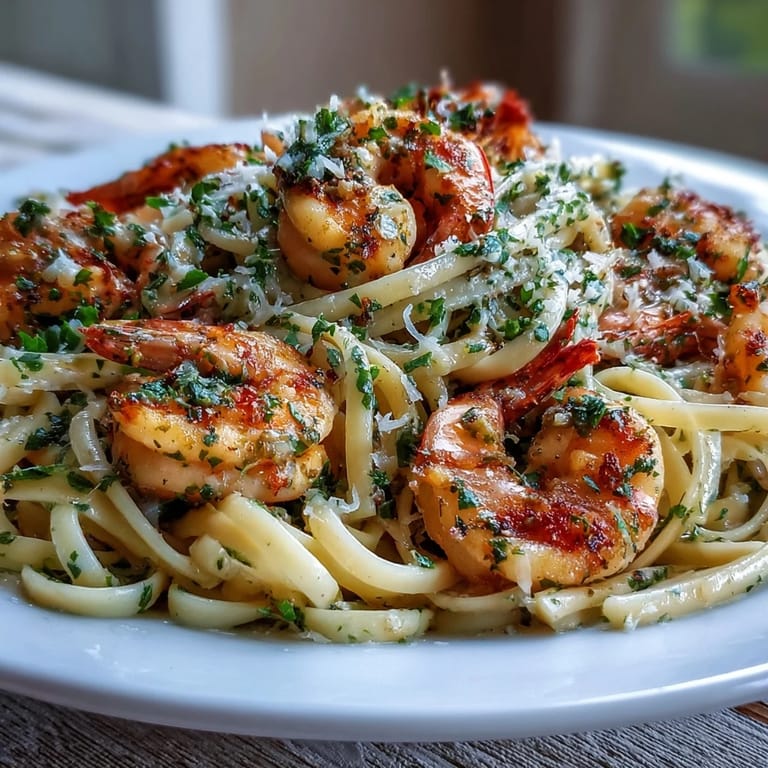
 A few springs ago, I found myself hosting a dinner party with barely enough time to shop, let alone stress over a complicated menu. Walking through the market, I spotted a pile of glistening shrimp and thought about the bright lemon tree a friend had just given me—suddenly, this pasta practically wrote itself. That night, as guests arrived and the kitchen filled with the sharp perfume of garlic and citrus, I realized this dish had become my go-to move: simple enough to pull off on a weeknight, yet elegant enough to make people feel celebrated.
I remember my neighbor popping over unannounced on a Thursday evening, and instead of ordering takeout, I suggested she stay for dinner. She watched in disbelief as I went from pasta box to plated dish in under half an hour, tasting as if I'd been simmering something all afternoon. When she asked for the recipe, I realized this wasn't just quick—it was the kind of dish that makes people think you're a better cook than you actually are.
Ingredients
- Whole wheat spaghetti or linguine (12 oz): The pasta's nutty flavor complements the brightness of lemon without overpowering it; cook it just until al dente or it'll turn mushy when tossed with the warm sauce.
- Large shrimp (1 lb, peeled and deveined): Buy the biggest ones you can find because they stay tender and don't disappear into the sauce, and always pat them dry before cooking so they'll actually sear instead of steam.
- Olive oil (4 tbsp total): Use good-quality oil here since it's a leading flavor; the difference between grocery store and something slightly nicer really shows in a dish this simple.
- Garlic (4 cloves, thinly sliced): Thin slices cook faster and distribute more evenly than minced, and watch them like a hawk because burnt garlic will ruin everything.
- Lemon (zest and juice from 2 lemons, plus 1 for zest): Fresh lemon is non-negotiable; bottled juice tastes tinny and flat, so invest in real citrus.
- Dry white wine (1/4 cup) or low-sodium chicken broth: The wine adds a subtle sophistication, but broth works just fine if you're not opening a bottle.
- Fresh parsley (1/3 cup, chopped): Tear or chop it by hand just before serving so it stays bright green and vibrant rather than bruised and dark.
- Crushed red pepper flakes (1/2 tsp, optional): A whisper of heat lifts the whole dish, but leave it out if your crowd prefers things mild.
- Parmesan cheese (1/4 cup grated, optional): A light grate at the end adds a salty depth, though the dish shines on its own without it.
- Salt and black pepper: Season the shrimp first so the seasoning actually penetrates, not just sit on the surface.
Tired of Takeout? 🥡
Get 10 meals you can make faster than delivery arrives. Seriously.
One email. No spam. Unsubscribe anytime.
Instructions
- Boil your pasta water and get it salted:
- Use enough water that the pasta can move freely, and salt it generously so it tastes like the sea—this is your only chance to season the pasta itself. While you're waiting for the boil, you'll have time to prep everything else.
- Cook the pasta until just barely al dente:
- It should have the tiniest bit of resistance in the center when you bite it, because it'll soften slightly more when tossed with the warm sauce. Reserve that pasta water before draining—it's liquid gold for adjusting the sauce consistency later.
- Pat the shrimp completely dry and season them:
- Moisture is the enemy of a good sear, so use paper towels and don't be shy about it. The salt and pepper should stick to their surfaces, not slide off into a puddle.
- Sear the shrimp in a screaming hot skillet:
- Listen for that aggressive sizzle when they hit the pan—that's what tells you they'll develop a golden exterior and stay tender inside. One to two minutes per side is all they need; overcooked shrimp turns rubbery and sad.
- Make the garlic-lemon sauce in the same skillet:
- Lower the heat so the garlic perfumes the oil without browning and turning bitter, then add the lemon zest and wine so the alcohol can burn off and leave behind its subtle sweetness. You're building layers of flavor here, not rushing.
- Combine the hot pasta with the sauce and shrimp:
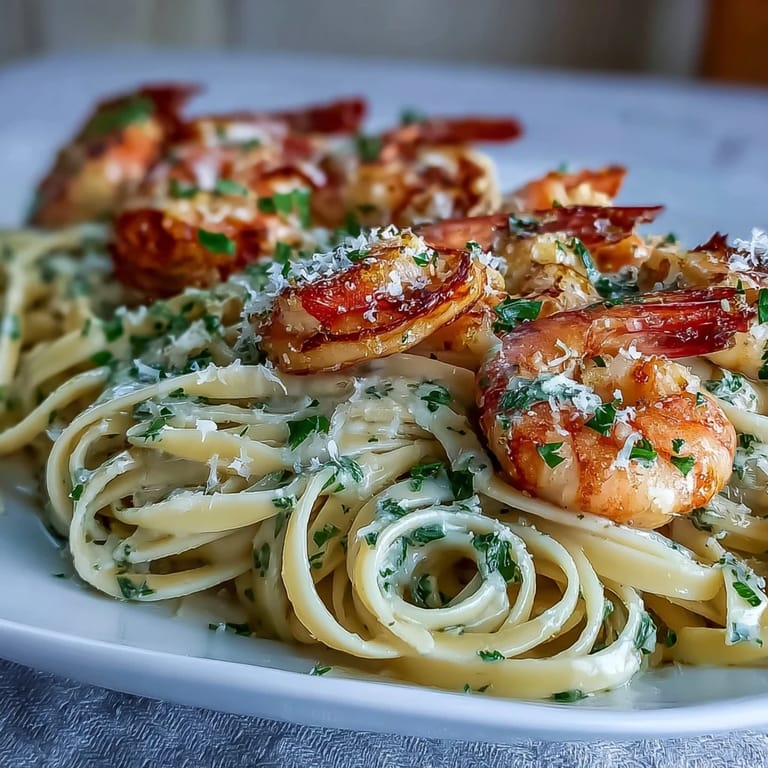
- The heat will help everything meld together, and the starch from the pasta water will create a silky coating on every strand. Toss gently so the shrimp don't break apart, and add pasta water tablespoon by tablespoon until you get that light, glossy finish.
- Finish with fresh parsley and serve immediately:
- The parsley adds brightness and a hint of earthiness that keeps the dish from feeling one-dimensional. Grate Parmesan over the top if you like, or skip it and let the lemon be the star.
 Pin it
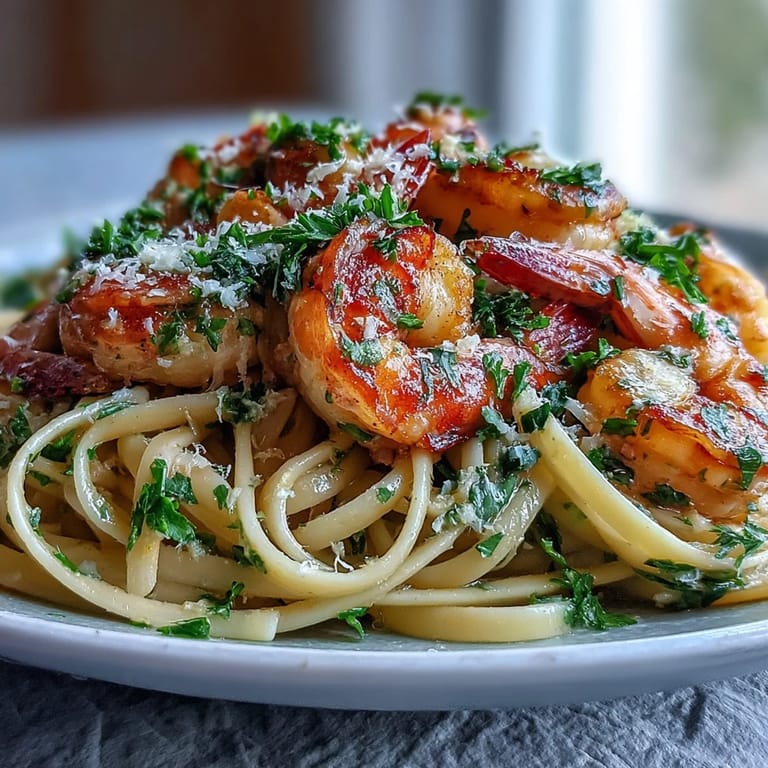
 There's something almost meditative about watching the glistening shrimp curl pink in a hot pan, the kitchen suddenly smelling like a sunny coastal terrace. That's the moment I know the meal will land well, that something simple done right will turn an ordinary evening into something people remember.
The Secret to Not Overcooking Shrimp
The only real risk in this recipe is pushing the shrimp past that perfect point where they're just cooked through. They continue to cook slightly from residual heat even after you remove them from the pan, so pulling them out when they still look barely done is the move that separates this dish from rubbery disappointment. I learned this the hard way after serving a dinner party shrimp that felt like erasers, but now I use the opacity test: they should be opaque almost all the way through when you flip them, with maybe a thin line of translucence in the very center.
Variations and Flexibility
This dish has built-in flexibility because the sauce is so forgiving, and I've learned to use that to my advantage depending on what I have on hand or what season it is. In summer I'll throw in a handful of cherry tomatoes right at the end, letting them warm through without bursting; come fall I've added roasted asparagus or even thin-sliced zucchini. A friend of mine makes it with white beans for extra protein and heartiness, and it's honestly just as good that way.
Wine Pairing and Serving Tips
I always serve this with a chilled glass of something crisp—Sauvignon Blanc or Pinot Grigio echo the bright lemon notes and feel like a natural extension of the dish rather than an afterthought. The meal feels lighter and more elegant when everything is cold except the warm pasta, and it's the kind of dinner that doesn't need anything else: maybe a simple green salad beforehand if you want to pace the meal, but honestly, this pasta is complete on its own.
- Serve immediately on warm plates so the shrimp and sauce stay hot and inviting.
- If you have fresh mint or basil on hand, a small leaf on top adds an unexpected brightness that guests always notice.
- Leftover pasta can be eaten cold the next day and actually tastes pretty wonderful, though the shrimp is best enjoyed fresh.
 Pin it
 This is the pasta I reach for when I want to cook something that feels special without requiring a cookbook and three hours of my evening. It's become the kind of reliable favorite that shows up in my rotation again and again, always delivering that perfect moment where everyone at the table just stops talking and eats.
Recipe FAQ
- → What type of pasta works best for this dish?
Whole wheat spaghetti or linguine are ideal for their texture and ability to hold the light lemon-garlic sauce well.
- → Can I adjust the spiciness of the sauce?
Yes, red pepper flakes are optional and can be added or omitted based on your heat preference.
- → How do I prevent shrimp from overcooking?
Cook shrimp 1–2 minutes per side just until pink and opaque to keep them tender and juicy.
- → Is there a way to make the dish gluten-free?
Substitute the pasta with a gluten-free variety and ensure all other ingredients are gluten-free to accommodate this need.
- → What are good wine pairings for this dish?
Crisp white wines like Sauvignon Blanc or Pinot Grigio complement the lemony, garlic flavors well.
- → Can I add vegetables to this dish?
Adding fresh greens like baby spinach or arugula near the end of cooking boosts nutrition and freshness.