 Pin it
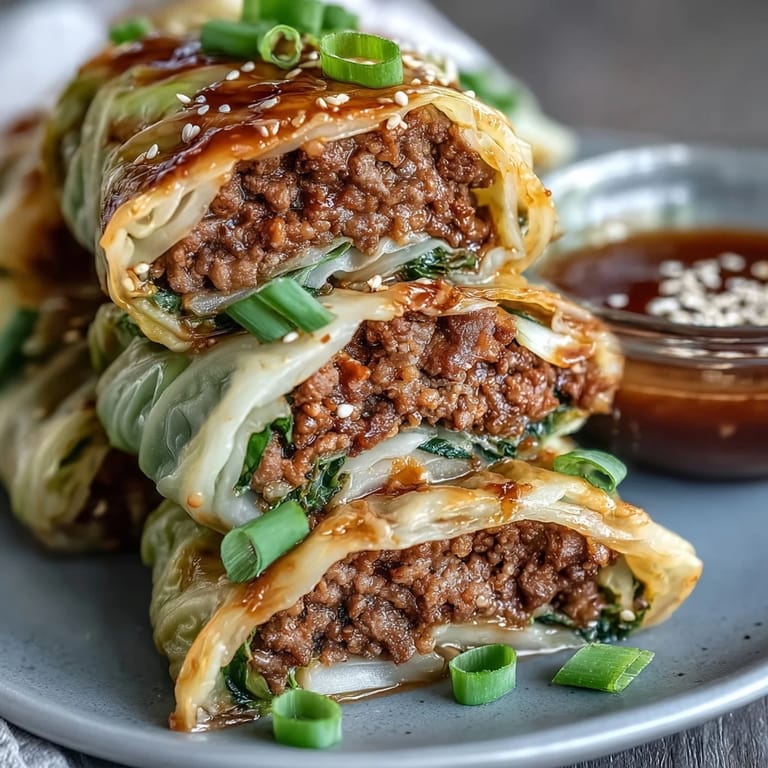
 The first time I made Korean Cabbage Rolls, my kitchen filled with the earthy fragrance of Napa cabbage and the sizzle of sesame oil. I was curious more than anything, eyeing that big leafy cabbage and wondering if I'd ever manage neat rolls. As gochujang stung my fingertips and ginger perfumed the air, even my playlist quieted down for a moment—it felt like all senses were on high alert. This recipe quickly turned an ordinary weekday dinner into something lively and hands-on. Every time I return to it, I can practically smell that first batch steaming on the stove.
One evening, I decided to make these for a friend visiting after her first semester abroad, looking for something comforting but utterly different. She hovered at the counter, helping me wrap the leaves and laughing every time a roll threatened to unravel, both of us sticky-fingered and eager for a taste. When we finally settled down with hot rolls and little bowls of sauce, it turned out the only thing harder than waiting for them to cook was not gobbling them up immediately.
Ingredients
- Napa cabbage: You want big, flexible leaves; blanching makes them silky and easy to roll.
- Ground beef: Look for beef with a little fat for juicy, flavorful filling—lean tends to dry out here.
- Green onions: Finely chopped for fresh, bright flavor that cuts through the richness of the meat.
- Garlic: Mince it well for even flavor—raw bits can overpower in a delicate bite.
- Carrot: Grated carrot sneaks in sweetness and color; don’t skip for texture.
- Fresh ginger: I grate right over the bowl so not a drop of juice goes to waste—nothing matches its vibrancy.
- Gochujang: This adds signature heat and depth; adjust for spice preference.
- Soy sauce: Salty foundation that ties all elements together—use a good one if you can.
- Sesame oil: Just a little infuses the filling with nutty aroma; too much can be overwhelming.
- Sugar: Balances the chili paste's heat and rounds out flavors—barely noticeable but crucial.
- Black pepper: A scant amount for warmth and bite.
- Toasted sesame seeds: Nutty crunch sprinkled into filling and sauce; I toast them quickly for bigger aroma.
- Soy sauce (dipping sauce): A sharp and savory base with plenty of umami.
- Rice vinegar: Lifts and brightens the sauce—taste for the perfect tartness.
- Gochugaru: Adds a smoky-hot background to the sauce; easy to adjust for spice.
- Sesame oil (dipping sauce): Just a touch for silkiness and flavor, not too much.
- Honey: A little sweetness tames the acidity and heat; substitute with sugar if you like.
- Garlic (dipping sauce): Minced raw, it brings pungency to the sauce that complements the rolls.
- Toasted sesame seeds (dipping sauce): Sprinkled on top for nutty, toasty finish.
Tired of Takeout? 🥡
Get 10 meals you can make faster than delivery arrives. Seriously.
One email. No spam. Unsubscribe anytime.
Instructions
- Prep the Cabbage:
- Boil a big pot of water and carefully peel off the cabbage leaves. Blanch them for just a minute or two—their color will pop, and they’ll turn wonderfully pliable, then chill them under cold water and pat dry.
- Make the Filling:
- Mix together ground beef, green onions, carrot, garlic, ginger, gochujang, soy sauce, sesame oil, sugar, black pepper, and sesame seeds in a bowl. It’s easiest to use your hands, really working everything together until it’s sticky and uniform.
- Fill and Roll:
- Lay a cabbage leaf flat, scoop a generous spoonful of filling at its base, and fold in the sides before rolling tightly—like a mini burrito. Repeat with the rest, aiming for snug little parcels.
- Steam the Rolls:
- Nestle the rolls seam-side down in a steamer basket set over gently simmering water. Steam for 15 to 20 minutes, resisting the urge to peek too soon to let them cook evenly.
- Make the Dipping Sauce:
- Whisk soy sauce, rice vinegar, gochugaru, sesame oil, honey, garlic, and sesame seeds in a bowl; taste and adjust for heat or sweetness as needed. The garlic and vinegar layer in zing while the sesame oil makes it decadent.
- Serve and Enjoy:
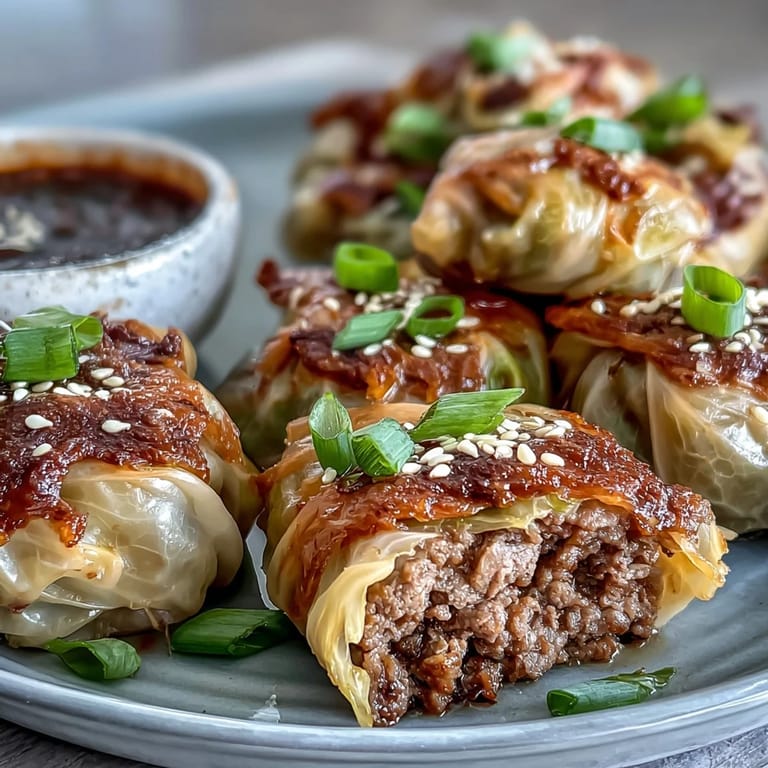
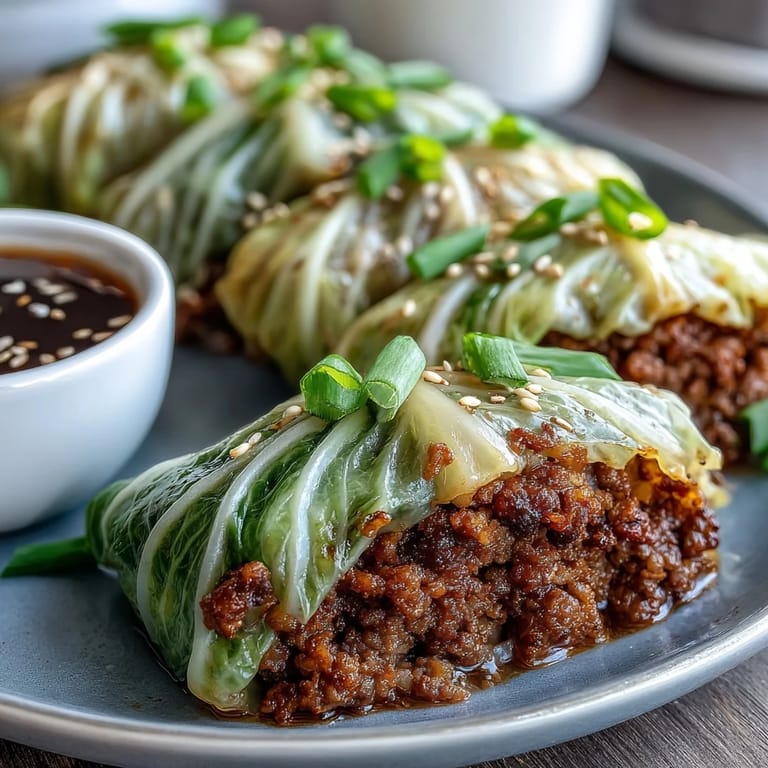
- Plate the steaming hot rolls and serve with that vibrant dipping sauce on the side. Eat right away—the contrast between hot, tender rolls and cool, punchy sauce is unbeatable.
 Pin it
  Pin it
 I remember making these for a casual lunch with friends, everyone diving in with chopsticks, conversation quickly giving way to comfortable silence. Seeing someone pause after the first bite—eyes widening, then smiling—turns an experiment in the kitchen into a tiny celebration.
A Sauce Worth the Extra Bowl
I sometimes double the dipping sauce because leftovers end up drizzled over rice or even morning eggs. The punch of garlic and whisper of honey linger on your palate and make each roll feel like a surprise.
What to Serve Alongside
A bowl of steamed rice and kimchi alongside these rolls rounds out the meal with crunch and extra tang. Even just salted cucumber slices echo the cooling, refreshing feeling cabbage brings to each bite.
Little Tweaks That Change Everything
I used to go light on the filling, worried the rolls would burst open, but a plumper roll actually holds together better and feels more satisfying. You can swap in ground turkey or even tofu for a lighter bite—the rolls stay juicy as long as you season boldly.
- Add some chopped mushrooms for more earthiness.
- Try a splash of lime juice in the dipping sauce for brightness.
- Finish with a sprinkle of extra sesame seeds for crunch.
 Pin it
  Pin it
 Let this recipe become your own, tweaking heat and fillings for your crowd. The memory of gathering at the table with these rolls is every bit as satisfying as their taste.
Recipe FAQ
- → How should I blanch the cabbage leaves?
Separate leaves and plunge into boiling water for 1–2 minutes until pliable. Drain and cool in cold water, then pat dry to remove excess moisture before filling.
- → Any tips for rolling so they don’t fall apart?
Place filling at the base, fold sides in snugly and roll firmly but not overly tight. Arrange seam-side down in the steamer to help them hold shape while cooking.
- → Can I swap the beef for other proteins?
Yes. Ground pork or turkey work well; adjust seasoning and cooking time slightly. Pork gives a richer flavor, while turkey yields a lighter result.
- → How can I control the spice level?
Reduce the gochujang and gochugaru amounts or replace gochujang with a milder chili paste. Add a touch more honey or sugar to balance heat if needed.
- → How do I know when the rolls are done?
Steam 15–20 minutes over simmering water. Check that the meat is no longer pink and juices run clear; internal steaming should reach a fully cooked texture.
- → What are good serving suggestions?
Serve hot with steamed rice and kimchi or pickled vegetables. The soy–rice vinegar dipping sauce brightens the dish and complements the sesame notes.