 Pin it
 One Saturday morning, my kitchen smelled like cinnamon before I'd even turned on the oven, and I realized I'd been craving something chewy and substantial for weeks without knowing it. A friend had mentioned protein powder in bagel dough almost in passing, and I couldn't shake the idea of combining that with the warm spice and plump raisins I loved. These bagels came together almost by accident, really—Greek yogurt lending this tender crumb I hadn't expected, and suddenly breakfast felt less like an obligation and more like something worth waking up for.
I made these for my sister's overnight visit, and she sat at the counter eating one still warm while steam rose from her coffee cup, asking why I'd never mentioned making bagels before. There's something about serving someone food you've shaped with your own hands that changes the whole mood of a kitchen—suddenly it's not just breakfast, it's a small gesture that says you spent time thinking about what they might enjoy.
Ingredients
- Bread flour (3 cups): Use the real thing here because it has enough gluten to give you that chewy structure bagels need; all-purpose will leave you with something softer and less satisfying.
- Vanilla or plain whey protein powder (1 cup): Choose a quality brand without artificial flavors if you can, since it directly impacts taste; the protein actually strengthens the dough and makes these genuinely filling.
- Ground cinnamon (2 tsp): Don't be shy—this amount creates that warm background note without overpowering, and it deepens as the bagels cool slightly.
- Granulated sugar (2 tbsp): Feeds the yeast and balances the protein's slight bitterness, so don't skip it.
- Instant dry yeast (2 1/4 tsp): Make sure yours is fresh; old yeast means flat, dense bagels that disappoint.
- Salt (1 tsp): Essential for flavor and dough structure; it's not negotiable.
- Plain Greek yogurt (1 cup): Buy the full-fat or 2% version—non-fat creates a dry crumb and misses the whole point of using yogurt for tenderness.
- Warm water (1/2 cup): Get this to about 110°F, warm enough that it feels comfortable on your inner wrist but not hot enough to shock the yeast.
- Raisins (3/4 cup): Plump them in hot water for 5 minutes before adding if they feel hard, which makes them softer and more flavorful throughout.
- Water for boiling (2 quarts): This step is what creates the bagel's signature chew, so don't skip it or rush it.
- Honey or barley malt syrup (1 tbsp, optional): Adds subtle sweetness and creates a slight shine on the crust; if you skip it, the bagels are still excellent.
- Egg wash (1 beaten egg, optional): Creates that glossy golden-brown finish, but bagels bake beautifully without it too.
- Cinnamon sugar topping (optional): A simple mix of cinnamon and sugar sprinkled on wet egg wash—this is pure comfort in two ingredients.
Tired of Takeout? 🥡
Get 10 meals you can make faster than delivery arrives. Seriously.
One email. No spam. Unsubscribe anytime.
Instructions
- Mix your dry foundation:
- Combine the flour, protein powder, cinnamon, sugar, yeast, and salt in a large bowl, stirring them together so the yeast distributes evenly. This prevents clumps of protein powder that might taste chalky in your finished bagels.
- Bring the wet and dry together:
- Add the Greek yogurt and warm water, stirring with a spoon until a shaggy dough forms—it'll look rough and slightly sticky, which is exactly right. Don't worry if it seems wetter than typical bread dough; the protein powder absorbs liquid differently than regular flour.
- Knead into smooth dough:
- Work the dough by hand or with a stand mixer's dough hook for 8 to 10 minutes, until it becomes smooth and elastic and springs back slightly when you press it. You'll feel the transformation happen under your hands, the dough going from rough to silky.
- Fold in the raisins:
- Add the raisins and knead gently for just a minute or two until they're distributed throughout without getting crushed. Some will break, and that's fine—they'll create little sweet pockets throughout.
- Let the dough rise:
- Transfer to a lightly greased bowl, cover with a damp cloth, and set somewhere warm for about an hour, until it roughly doubles in size. A turned-off oven with the light on, or near a sunny window, works perfectly.
- Shape your bagels:
- Punch down the dough, divide it into 8 equal pieces, and roll each into a ball. Push your thumb through the center of each ball to create a hole, then gently stretch it into a bagel shape with a hole roughly the width of your thumb—the hole will shrink as they cook.
- Second rise:
- Place shaped bagels on parchment paper, cover, and let rest for 15 minutes while you preheat your oven to 425°F and bring water to a boil. This brief rest helps them rise slightly and ensures even cooking.
- Boil for the chew:
- Once water reaches a gentle boil, add honey or malt syrup if using, then carefully lower 2 or 3 bagels in at a time. Boil for exactly 1 minute per side—no more, or they become tough; no less, and they won't develop that signature bagel chewy interior.
- Return to baking sheet:
- Fish them out with a slotted spoon and place them back on your parchment-lined sheet, arranged with a bit of space between each one.
- Add finishing touches:
- Brush the tops with beaten egg wash if you're using it, and sprinkle generously with cinnamon sugar. This step is optional but transforms them into something that looks as good as it tastes.
- Bake until golden:
- Slide into your preheated oven and bake for 20 to 25 minutes until deep golden brown and firm when you tap the bottom. The kitchen will smell absolutely incredible during this final stage.
- Cool before cutting:
- Transfer to a wire rack and let them rest for at least 10 minutes before slicing, even though every fiber of your being wants to eat them immediately. This allows the interior to set properly and makes them less likely to tear.
 Pin it
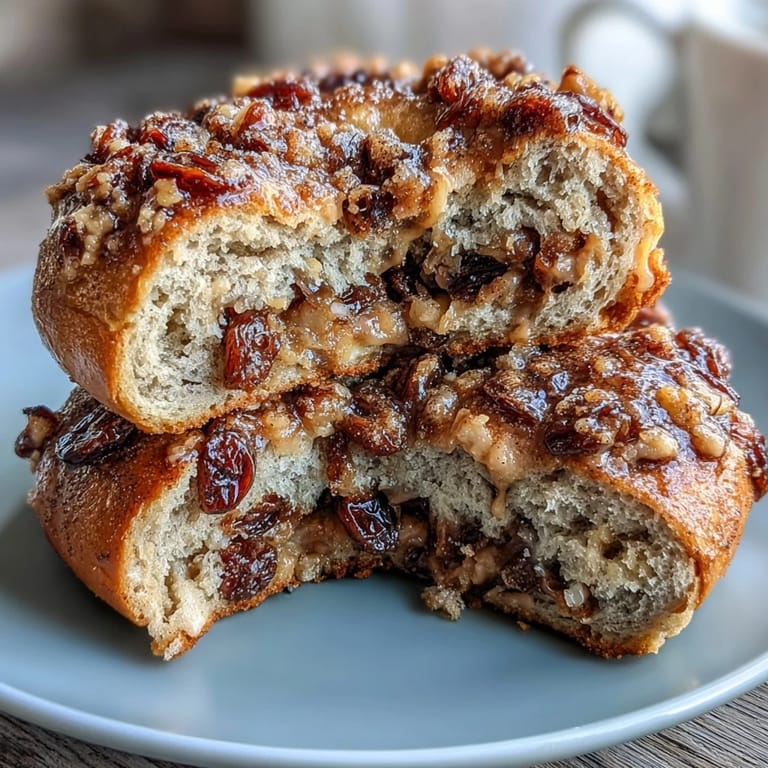
 My ten-year-old asked why these were better than store-bought bagels, and I couldn't find the words to explain that they weren't just food—they were the absence of additives and preservatives, time spent thinking about texture and taste, and the particular warmth of making something substantial with your hands. That conversation mattered more than the recipe itself, honestly.
Texture and Crumb: Why These Bagels Feel Different
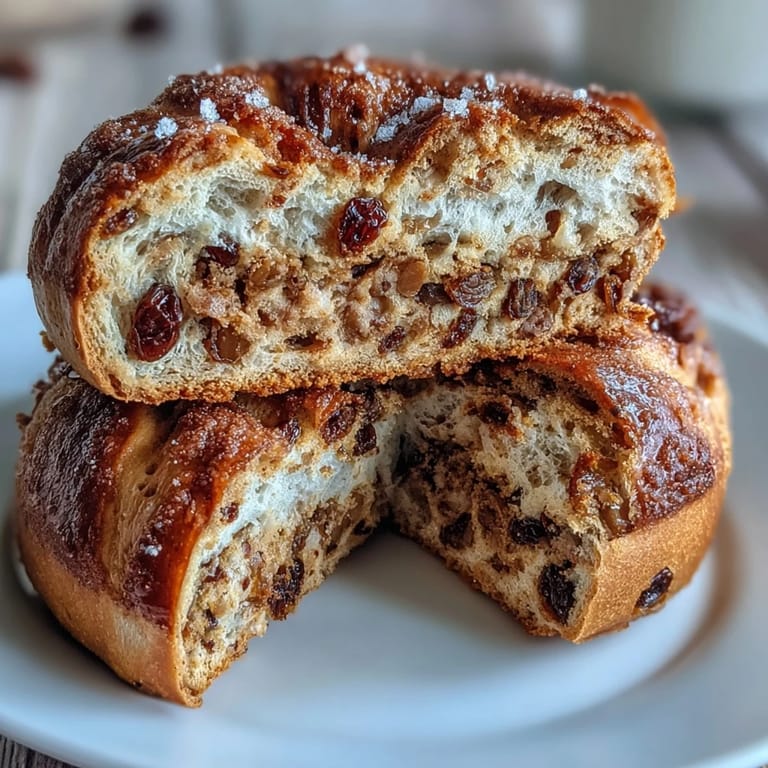
The Greek yogurt does something subtle that regular recipes miss—it tenderizes the crumb while the bread flour and boiling process work together to create chew instead of softness. You end up with something that's simultaneously tender and resilient, that doesn't squash when you bite into it but doesn't feel tough either. The protein powder adds structure and substance without any weird aftertaste if you choose decent quality, which changes everything about how satisfying these are to eat.
Flavor Building: Cinnamon and Raisin Done Right
The cinnamon is distributed throughout the dough itself, not just sprinkled on top, so every bite tastes intentional and balanced. The raisins soften during the rise and absorb the warm spices, becoming almost caramel-like in flavor, which is why plumping them beforehand makes such a difference. This isn't a sweet bagel or a spiced bagel—it's something in between, comfortable enough for breakfast but interesting enough that you notice what you're eating.
Storage, Serving, and Variations That Actually Work
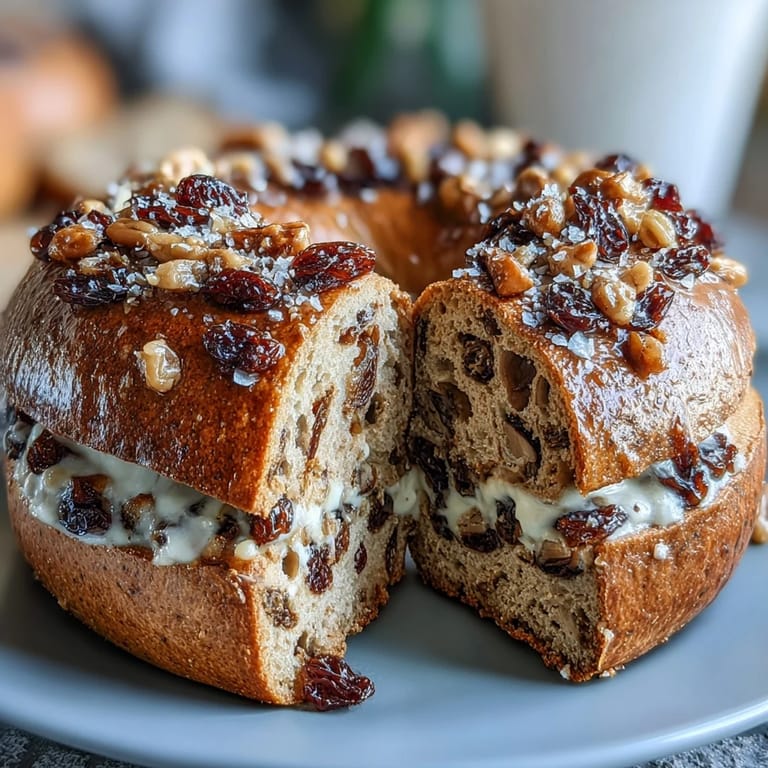
These keep well for a few days in an airtight container at room temperature, or freeze beautifully for up to a month—just slice and toast them from frozen when you need them. They're excellent on their own while still warm, but they're also sturdy enough to handle any topping you love; I've served them with Greek yogurt and honey, cream cheese and jam, or almond butter and sliced banana. Try adding a pinch of nutmeg or orange zest to the dough if you want to surprise yourself, substitute dried cranberries or chopped dates for the raisins, or make a whole wheat version for something earthier.
- If you've never boiled bagels before, trust the process—it's genuinely what separates bagels from round bread.
- The dough can be made ahead and shaped the next morning if mornings are chaotic in your house.
- These are genuinely better the day you make them, but they're still good toasted on day three.
 Pin it
 Making bagels from scratch changes something about how you see breakfast; suddenly you notice texture and flavor instead of just eating mechanically. These high-protein versions sit right at the intersection of delicious and actually nourishing, which is rarer than it should be.
Recipe FAQ
- → What gives these bagels their chewy texture?
The combination of bread flour and Greek yogurt creates a strong gluten network and moist crumb, resulting in a chewy bite.
- → How does the boiling step affect these bagels?
Boiling sets the crust quickly, producing a glossy, firm exterior while keeping the inside soft and chewy.
- → Can I substitute raisins with other dried fruits?
Yes, dried cranberries or chopped dates work well and add unique flavor variations.
- → Why add cinnamon to the dough?
Cinnamon introduces warm, aromatic notes that complement the sweetness of raisins and enrich the overall flavor.
- → What role does Greek yogurt play in this dough?
Greek yogurt adds moisture and slight acidity, enhancing tenderness and depth of flavor without weakening the dough.
- → Is whey protein powder essential here?
Including whey protein powder boosts protein content and subtly enriches the dough's texture without overpowering flavors.