 Pin it
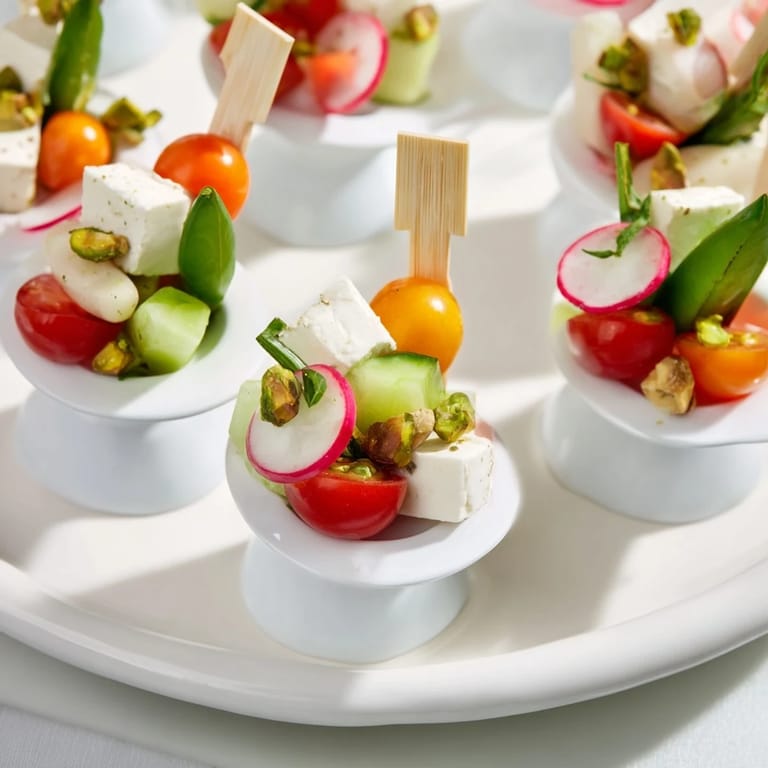
 The first time I arranged vegetables on tiered stands, I wasn't trying to impress anyone—I just wanted to stop my guests from crowding the kitchen counter. What started as a practical solution became something entirely unexpected: people gravitated toward the display like it was edible art, and suddenly appetizers felt like an event instead of an afterthought. The secret was letting things spill and overlap, treating the platter like a living garden rather than a perfectly organized tray.
My aunt still talks about the afternoon she helped me build one of these for a small garden party, how we laughed arranging grapes and radishes like we were curating a museum exhibit. She kept saying things didn't look "balanced enough," and I kept telling her that lush means imperfect. By the time guests arrived, she was the one encouraging people to reach for the corners where things got a little wild.
Ingredients
- Cherry tomatoes: The sweetness balances the savory dips, and halving them makes them easier to grab while standing around with a plate.
- Baby carrots: Their natural sweetness appeals to everyone, and the bright orange creates visual drama when piled high.
- Cucumber slices: These are your cooling element, refreshing between richer bites of cheese and nuts.
- Radishes: Thin slices add a peppery snap that keeps things interesting, and their pink interiors are visually stunning.
- Snap peas: Leave these whole when possible—they're meant to be picked up and eaten like nature's little vessels.
- Endive leaves: These become natural scoops for dips, far more elegant than crackers.
- Seedless grapes: A touch of sweetness and texture contrast that prevents palate fatigue.
- Strawberries: Halved so they nestle between vegetables and show their beautiful red interiors.
- Goat cheese balls: Rolling them yourself takes seconds and feels intentional; buy pre-rolled if you're short on time.
- Feta cubes: The briny bite that ties everything together and makes the sweeter elements shine.
- Hummus: A creamy anchor that every guest recognizes and trusts.
- Tzatziki: Cool, herby, and it makes raw vegetables feel luxurious somehow.
- Pesto: The star player—a little goes a long way, and it's where green elements get their flavor depth.
- Toasted pistachios: The crunch factor that makes this feel intentional, not just thrown together.
- Fresh basil: A whisper of herb flavor scattered across the top, fresh and alive.
- Edible flowers: Entirely optional, but they transform this from dinner party to special occasion.
- Extra virgin olive oil: A final drizzle that makes everything glisten and ties flavors together.
Tired of Takeout? 🥡
Get 10 meals you can make faster than delivery arrives. Seriously.
One email. No spam. Unsubscribe anytime.
Instructions
- Prep your ingredients:
- Wash and trim everything before you begin—this is where the actual work happens, and it's best done calmly. Arrange prepped items on small plates or in bowls nearby so you can see what you're working with.
- Shape the cheeses:
- Roll goat cheese between your palms until it forms imperfect balls, and cube the feta into rough, uneven pieces. The irregularity is what makes this feel handmade.
- Build your framework:
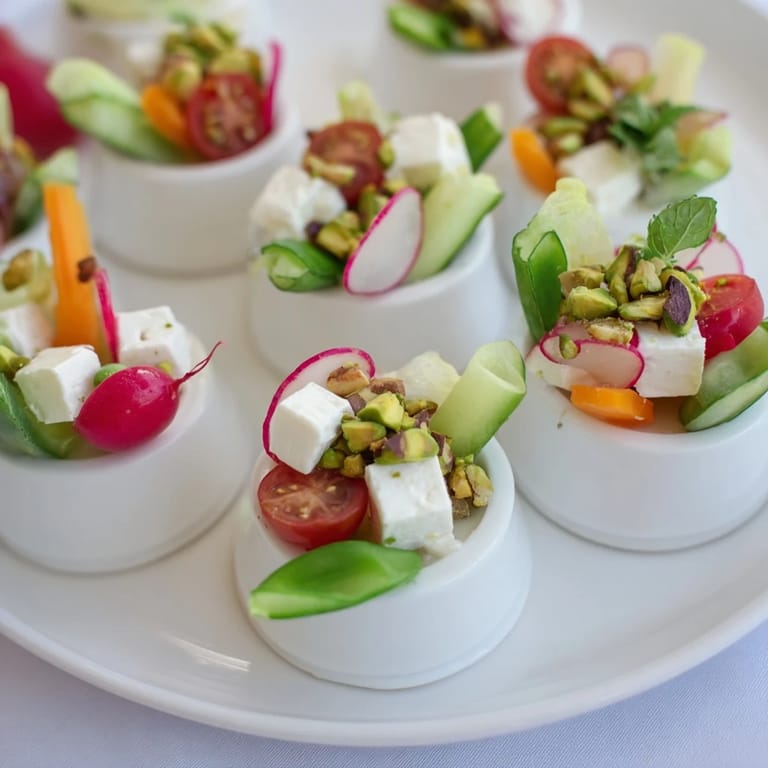
- Arrange mini-stands and bowls at different heights across your platter, creating peaks and valleys. Step back and imagine you're looking at a landscape, not just a tray.
- Distribute thoughtfully:
- Start with the vegetables, letting them cascade down the sides and nestle into bowls. Don't fill every space—empty areas create visual breathing room and invitation.
- Add the softer elements:
- Place cheese balls and strawberry halves where they catch light and complement the colors around them. Think of it like placing flowers in a bouquet.
- Position the dips:
- Fill small bowls with hummus, tzatziki, and pesto, then tuck them into gaps among the vegetables. Each dip should have a little clearing around it so people know where to dip.
- Finish with garnish:
- Scatter toasted pistachios and fresh basil across the display, then drizzle lightly with olive oil. Season everything gently with salt and pepper.
- Serve with intention:
- Step back and look at what you've created before anyone touches it. This moment is part of the experience.
 Pin it
 The real magic happened when my nephew, who's usually glued to his phone, actually put it down to pick through the arrangement. He kept finding new things, hidden beneath the basil, tucked into the folds of endive leaves. Food stopped being fuel for a moment and became something worth exploring.
Why This Works as a Centerpiece
This isn't appetizer—it's conversation. People approach it without hesitation because there's no mysterious cooking involved, no uncertainty about whether they'll like it. The variety means someone will always find something they came for, whether that's cheese or vegetables or just the chance to try something new without commitment.
The Beauty of Raw Arrangement
There's freedom in making something that requires no stove or oven. You're not timing anything, not worried about something burning or undercooking. Everything is exactly as fresh as the moment you put it out, and if something doesn't look right, you just rearrange it.
Making It Your Own
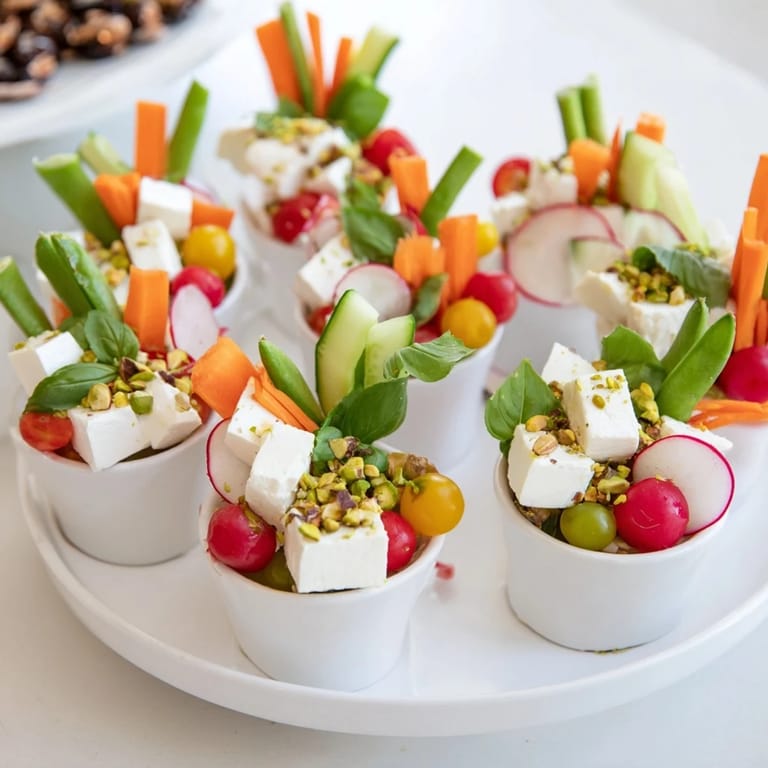
This template is just a starting point—the real recipe is whatever grows in your season and whatever your guests actually reach for. I've made versions in summer bursting with stone fruit and heirloom tomatoes, and winter versions with roasted vegetables and dark grapes that felt entirely different but equally right.
- Add cured meats like prosciutto or salami folded into flowers for non-vegetarian guests.
- Swap seasonal fruit and vegetables without thinking twice—grapes become berries, tomatoes become roasted beets.
- Make extra dips if you know someone has a favorite, tucking them in wherever they fit.
 Pin it
 This is the appetizer for when you want to feel like you've gone to real effort without having spent your entire evening in the kitchen. Make it once, and you'll make it again.
Recipe FAQ
- → What is the best way to prepare the vegetables and fruits?
Wash thoroughly, trim as needed, slice thinly or halve for easy picking and an attractive display.
- → How should the cheese be presented for this arrangement?
Shape goat cheese into small balls and cube feta to provide bite-sized portions that complement the freshness of the produce.
- → Can the dips be prepared in advance?
Yes, hummus, tzatziki, and pesto can be made a day ahead and chilled to enhance their flavors before serving.
- → What’s the purpose of the elevated mini-stands in this setup?
They create a layered, garden-like effect that adds height and visual interest, encouraging interaction and easy access.
- → How can I adapt this arrangement for non-vegetarian guests?
Incorporate cured meats or charcuterie alongside the fresh elements while maintaining the colorful presentation.
- → Are there common allergens to consider in this dish?
Yes, dairy in cheeses, nuts in pistachios and pesto, and sesame in hummus may require caution for guests with allergies.