 Pin it
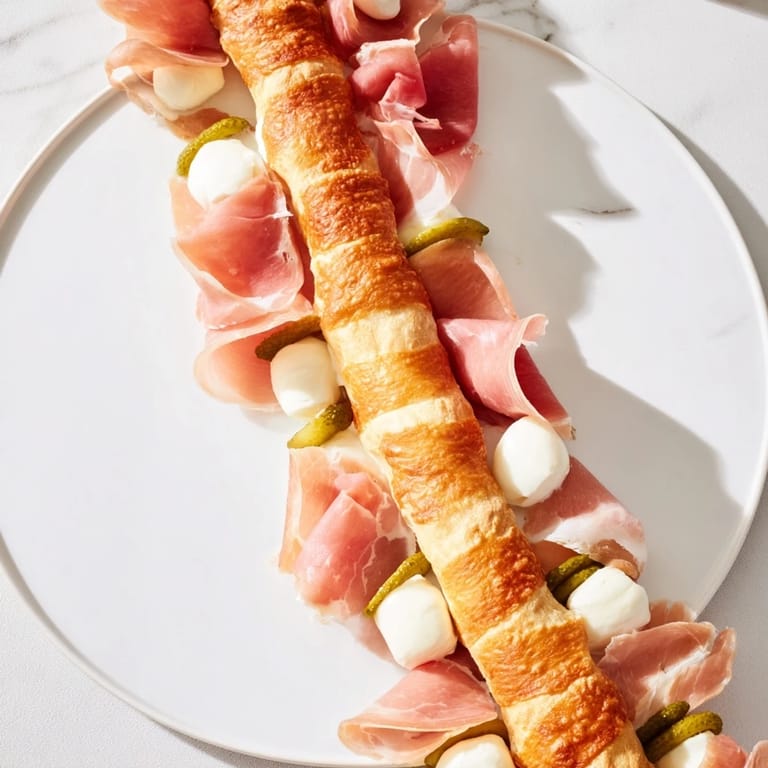
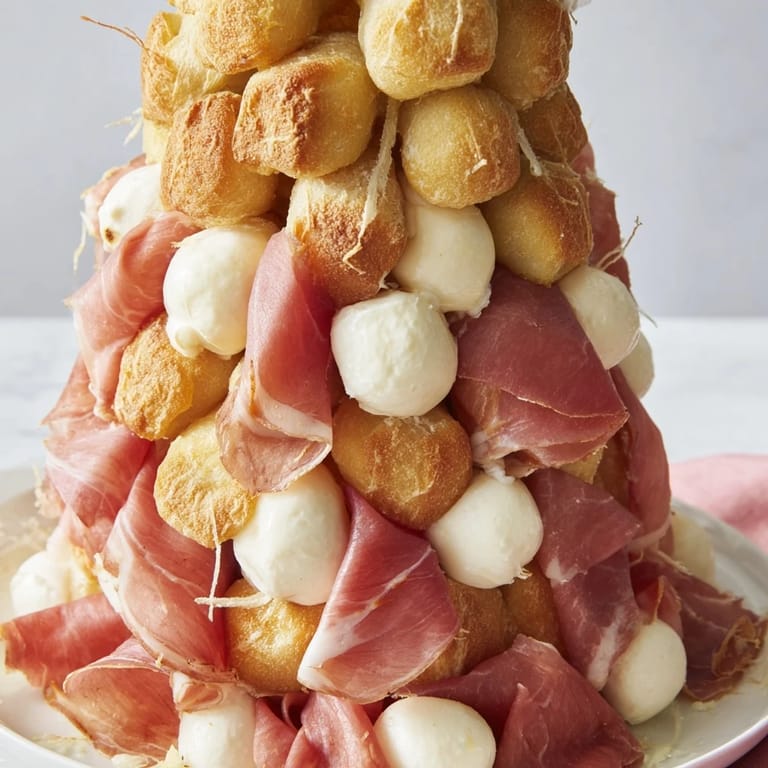
 I discovered this fractal tree platter at a dinner party where a friend arranged appetizers in this mesmerizing branching pattern, and I was captivated. The way each ingredient grew smaller and more delicate as it radiated outward from a central breadstick trunk felt almost like edible geometry. That night, I realized that the most memorable appetizers aren't just about taste—they're about creating a moment of wonder before anyone even takes a bite. Now, whenever I want to impress guests without spending hours in the kitchen, I return to this beautiful arrangement that feels like you've created something magnificent.
I made this for my sister's engagement party last spring, and watching guests gather around the platter, gasping a little before diving in, reminded me that food is really about creating shared moments. The fractal pattern gave us something to talk about while we ate, and it became the centerpiece conversation starter of the entire evening.
Ingredients
- 1 large breadstick (about 25–30 cm long): This is your anchor, your tree trunk. Choose a good quality one that's sturdy enough to stand proud on the platter without falling over. A fresh, crusty breadstick works better than something soft because it adds textural contrast and looks more impressive.
- 6 slices prosciutto or vegetarian deli slices: These should be the star of your first branch layer. Prosciutto adds salty elegance, but if you're vegetarian, good quality deli slices or even thin roasted vegetable slices work beautifully and look just as striking.
- 6 mini mozzarella balls or small cheese cubes: Fresh mozzarella balls are perfect because they're already the right size and shape, but any cheese you love—aged cheddar cubes, creamy burrata pieces—brings its own character.
- 6 baby pickles or gherkins: These add a tangy brightness and their small size is already perfectly suited to the branching concept. They also provide a textural pop that guests appreciate.
- 12 cherry tomatoes, halved: Halve these just before assembly so they stay juicy and fresh. The bright red against the other colors creates natural visual rhythm in your fractal pattern.
- 12 thin cucumber slices: These should be thin enough to feel delicate but not so thin they tear. They add a cooling, refreshing element and their pale green is your platter's gentle anchor color.
- 12 green or black olives: Choose ones you actually enjoy eating because you'll probably taste a few while you arrange. Kalamata olives add earthiness; green ones add brightness.
- 18 small basil leaves: Fresh basil is essential here—the aromatics matter as much as the appearance. Tear gently rather than cutting so the leaves stay tender.
- 18 roasted red pepper strips: Buy these jarred if you need to save time, or roast your own if you want control over the flavor. They add a sweet, smoky depth that ties the whole platter together.
- 18 small crackers or crostini: These are your final touches and should feel delicate. Thin crackers work better than thick ones because they maintain the tapering appearance of your branches getting smaller.
Tired of Takeout? 🥡
Get 10 meals you can make faster than delivery arrives. Seriously.
One email. No spam. Unsubscribe anytime.
Instructions
- Create your trunk:
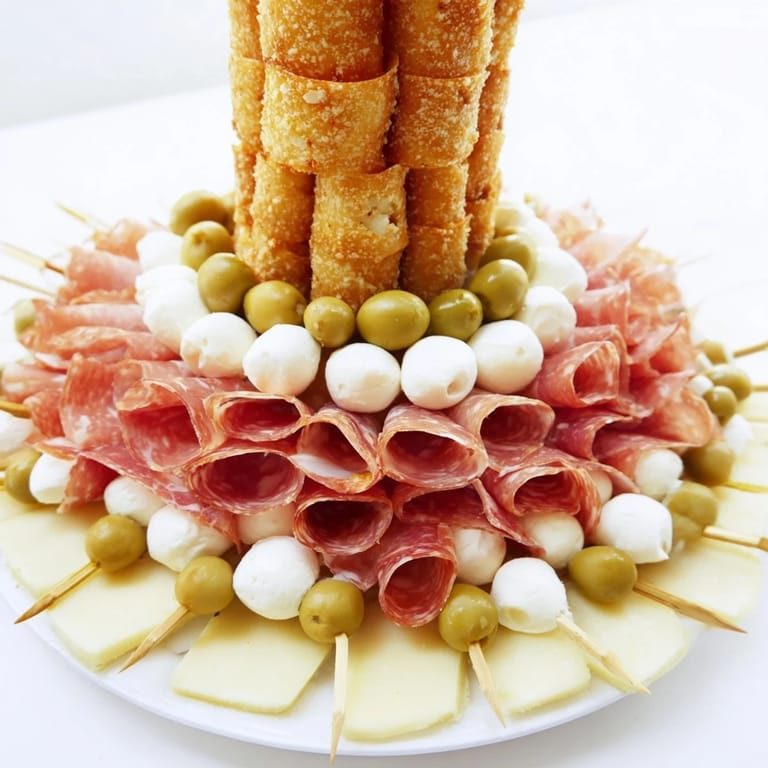
- Place your breadstick in the very center of your platter, standing slightly at an angle if it looks more natural that way. Step back and imagine it's the main branch of an ancient tree. This is your foundation, so take a moment to appreciate it before moving forward.
- Build the first branches:
- This is where the magic begins. Arrange your prosciutto, mozzarella, and pickles in pairs radiating outward from both sides of the breadstick, like symmetrical limbs growing from a trunk. I like to angle them slightly upward, as if they're reaching. The first layer sets the visual tone, so trust your instincts about spacing.
- Layer in the second branches:
- Now place your halved tomatoes, cucumber slices, and olives as your second layer, positioning them to branch off from the ends of your first layer ingredients. This is where you start seeing the fractal pattern emerge. The cherry tomatoes should peek out between the larger elements like small fruit hanging from branches.
- Complete with the smallest branches:
- Finally, tuck in your basil leaves, roasted red pepper strips, and small crackers as the tiniest, most delicate endpoints of your tree. This is almost meditative work—each piece should feel intentional and balanced. The basil especially should look fresh and alive.
- Refine and adjust:
- Step back and look at your entire creation. Are there any gaps that feel empty? Any spots that look too crowded? Gently move elements around until the fractal pattern feels right to you. The spacing should guide the eye outward naturally, like branches expanding into infinity. Trust what looks beautiful to you.
- Final flourishes:
- If you're feeling fancy, drizzle a tiny bit of good olive oil over the platter and add a generous pinch of cracked black pepper. This isn't about drenching anything—just a whisper of flavor and shine that makes everything feel intentional and refined.
 Pin it
 What I love most about this platter is watching the moment when guests realize they're not just eating appetizers—they're participating in a piece of edible art. Someone always asks how you did it, and you get to share that it's actually simple, which somehow makes the moment even more special.
The Story Behind Fractal Cooking
Fractals are patterns that repeat at different scales, and they appear everywhere in nature—in ferns, river deltas, coastlines, and tree branches. When I first learned this, I started seeing fractals in food arrangement and realized that mimicking nature's patterns naturally creates visual harmony. This platter works because it follows nature's own design language. Every time I arrange it, I feel connected to something larger than just feeding people—I'm creating a reflection of the patterns that make the natural world beautiful.
Making It Your Own
The beauty of this recipe is that it's a template, not a rulebook. Don't have prosciutto? Use thin slices of roasted beets or zucchini. Missing mozzarella? Any cheese you love becomes a branch. I've made this platter with everything from marinated artichokes to candied walnuts to roasted chickpeas, and each version told a different story about what was in my kitchen that day. Your version doesn't need to match mine exactly—it needs to feel like you, arranged with intention and served with joy.
Pairing and Presentation Tips
This platter shines when you give it space and let it breathe on the table. I like to place it slightly off-center on a larger table so guests approach it from different angles and discover different branches first. A dry white wine or sparkling water complements the fresh, briny flavors beautifully. The platter works equally well at a formal dinner party or a casual gathering—the elegance comes from the arrangement, not the formality of the occasion.
- If you're making this ahead, store the breadstick, cheese, and cured meats separately and only arrange them an hour or two before guests arrive
- Serve at room temperature so all the flavors can shine without being muted by cold
- Invite guests to pick pieces starting from the outer branches and working their way in, which keeps the fractal pattern visible longer
 Pin it
 This fractal tree platter proves that simple ingredients, arranged with intention, become something memorable. Make it, share it, and watch it become a moment people talk about long after the last piece is gone.
Recipe FAQ
- → How do I arrange the platter for the fractal effect?
Begin with the breadstick as the central trunk, then place the largest ingredient pairs radiating outward symmetrically. Follow with the medium-sized items branching off from the largest layer, and finish with the smallest ingredients at the tips, tapering each layer appropriately.
- → What can I substitute for prosciutto for a vegetarian option?
Replace prosciutto with additional cheese varieties or grilled vegetables like zucchini or eggplant to maintain hearty texture and flavor.
- → Are there tips to enhance the platter's flavor?
Drizzle olive oil and sprinkle cracked pepper over the arrangement just before serving to elevate flavors and add a subtle shine.
- → Can this platter be made nut-free?
Yes, simply omit any nut-based components and choose nut-free crackers and additional vegetables or cheeses instead.
- → What beverages pair well with this platter?
Dry white wines or sparkling water complement the fresh and savory elements of the platter perfectly without overpowering them.