 Pin it
 I discovered this idea while browsing a museum gift shop on a rainy afternoon, staring at a collection of trilobite replicas cast in resin. It struck me that soft cheese, with its malleable surface, could become a edible canvas for creating the same impression fossils left behind millions of years ago. The thought was playful and a little absurd, but it stuck with me through the drive home. That evening, I spread some goat cheese on a plate and pressed a few herb leaves into it, and suddenly I had something that looked genuinely ancient yet tasted creamy and alive.
I made this for my sister's dinner party last spring, right around the time she'd become obsessed with paleontology podcasts. When I set the plate down in the center of the table, she actually gasped, then immediately started taking photos from every angle. Her friends crowded around, comparing the herb imprints to pictures on their phones, and for the first time I watched people treat cheese like it was something to marvel at rather than just something to eat. It became the talking point of the whole evening.
Ingredients
- Soft cheese (250 g / 9 oz): The foundation of your fossil. Goat cheese gives an earthy tang, cream cheese feels luxurious and mild, ricotta is lighter and crumbly—pick whichever matches the mood you're setting. I've learned that room-temperature cheese holds impressions more crisply than cold cheese straight from the fridge.
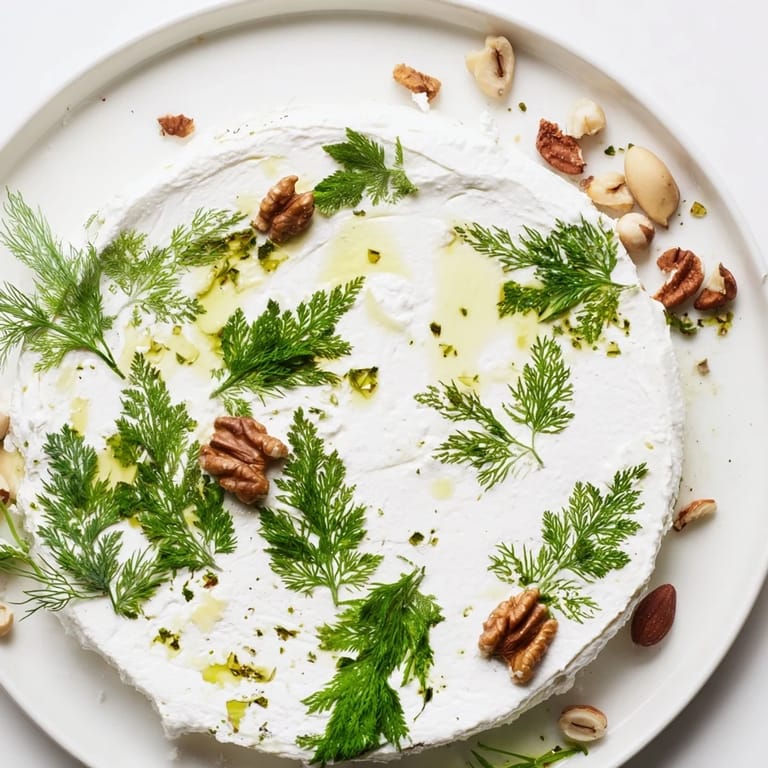
- Fresh herbs (1 small bunch): Parsley, dill, cilantro, chervil, or a mix—these become your imprinting tools. Choose herbs with distinct shapes so their silhouettes read clearly in the cheese surface. Flat-leaf varieties print sharper than curly ones.
- Assorted nuts (100 g / 3.5 oz): Walnuts, pecans, almonds, hazelnuts—in shells if you can find them, since the cracks and ridges add to the geological authenticity. The shells aren't just decoration; they frame the cheese like sediment around a true fossil.
- Olive oil (1 tbsp, optional): A light brush gives the cheese a subtle sheen and depth that makes those herb impressions pop even more visually.
- Sea salt (1/2 tsp, optional): A tiny sprinkle at the end echoes the mineral quality of actual stone.
Tired of Takeout? 🥡
Get 10 meals you can make faster than delivery arrives. Seriously.
One email. No spam. Unsubscribe anytime.
Instructions
- Prepare your canvas:
- Line a small tray or plate with parchment paper so you can lift and move the cheese without it sticking or breaking apart. This matters more than you'd think if you're making this ahead of time.
- Shape the cheese:
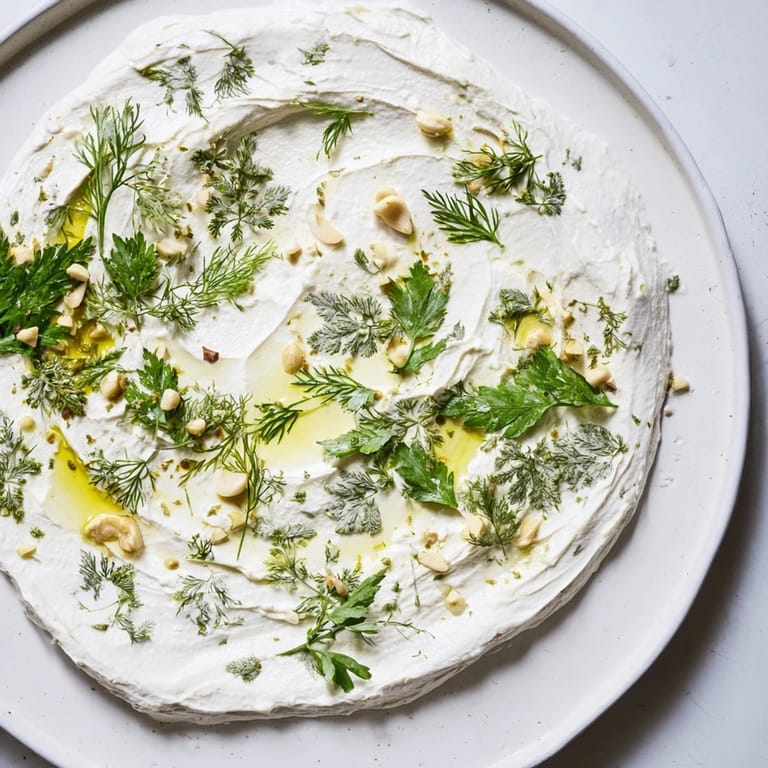
- Spread the soft cheese into a rough 2 cm thick oval or round, smoothing the top with a spatula until the surface feels almost velvety. Imperfect edges actually look more authentic than a perfectly shaped disc.
- Press the fossils:
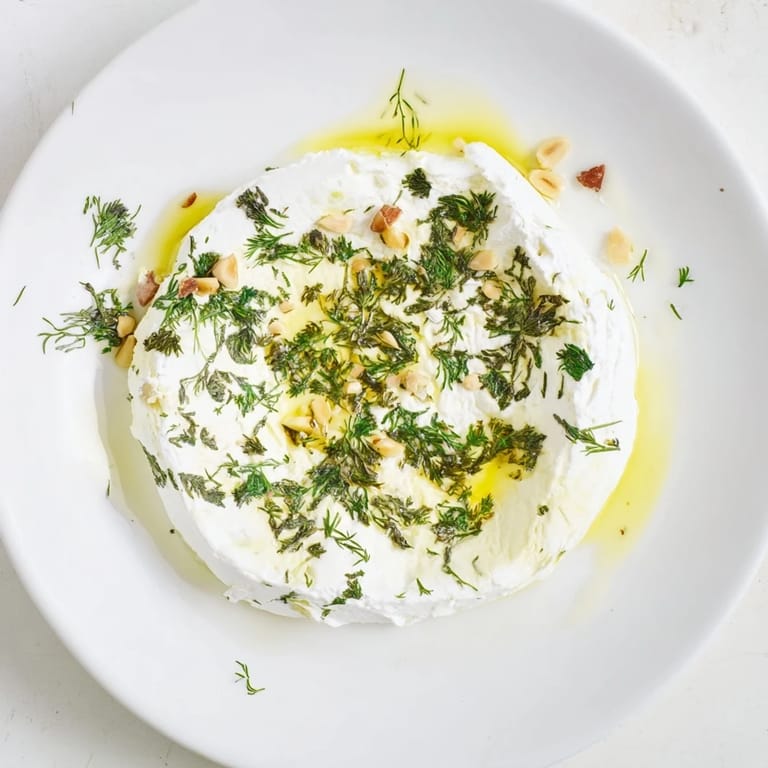
- Gently press fresh herb sprigs, leaves, or fronds directly into the cheese surface, holding them steady for a few seconds. Carefully lift the herbs away to reveal those detailed impressions—this is where the magic happens, so take your time and enjoy watching the patterns emerge.
- Add shimmer (if you like):
- A light brush of olive oil across the surface catches the light and makes those herb indentations deeper and more dimensional.
- Build your landscape:
- Arrange cracked or whole nuts around the cheese, scattering some shell fragments on the plate as if an archaeologist just uncovered the site. This is purely aesthetic, but it transforms the whole thing from appetizer into a tiny edible scene.
- Season and serve:
- Sprinkle with sea salt if the mood strikes, then set it out immediately or cover it loosely and refrigerate until you're ready.
 Pin it
 What makes this dish stick with me is that it's somehow both totally frivolous and oddly meaningful. A friend recently told me that plating the appetizer this way made her kids ask genuine questions about fossils for the first time, and suddenly cheese became a gateway to conversation about time, geology, and the story of the earth. Food does that sometimes—it becomes more than sustenance when you put care and whimsy into presentation.
Pairing & Serving Suggestions
Serve this with crisp crackers, toasted bread, or fresh crudités so people have something to scoop with. A dry white wine like Sauvignon Blanc cuts through the richness of the cheese beautifully, while the visual presentation means people will linger over this course longer than they normally would. I've also served it with honey or fruit preserves on the side, letting guests discover that the sweet contrast is unexpectedly perfect.
The Beautiful Part About This Recipe
The beauty here is that no two fossil impressions are ever the same—each herb leaf presses differently, each arrangement of nuts looks unique. This means you're not trying to replicate someone else's perfect version; you're creating your own small archaeological moment every single time.
Adaptations & Variations
If you want to play with this concept, there are endless directions to explore. For a vegan version, plant-based soft cheeses work beautifully and imprint just as crisply. Try edible flowers or small decorative leaves for fossil shapes you've never seen before, or press seeds into the surface for a completely different texture story. One night I experimented with pressing thin slices of radish and was shocked at how crisp and clear those imprints stayed.
- For a sweeter version, try a honey goat cheese or ricotta mixed with a touch of maple syrup, then imprint it and serve with dried fruit scattered around instead of nuts.
- Make it spicy by mixing the cheese with a little fresh chili or paprika before shaping and imprinting.
- If you're planning ahead, the cheese will keep refrigerated for up to two days, though the herb imprints stay sharpest if served the same day.
 Pin it
 This is one of those rare appetizers that people remember and actually ask you to make again, not because it's technically impressive but because it delights. There's something about turning cheese into art that makes everyone at the table feel a little bit smarter and a lot more charmed.
Recipe FAQ
- → What types of soft cheese work best for the fossil imprints?
Soft cheeses like goat cheese, cream cheese, or ricotta hold herb imprints well due to their creamy, moldable texture.
- → How can I achieve detailed herb imprints on the cheese?
Press fresh herb sprigs gently but firmly onto the softened cheese surface, then carefully lift to reveal clear botanical patterns.
- → Can I prepare this dish in advance?
Yes, assemble and refrigerate until needed, but best served within a few hours for optimal freshness and appearance.
- → What nuts complement the cheese and herbs well?
Rustic nuts like walnuts, pecans, almonds, or hazelnuts provide a crunchy contrast and an archeological, natural look.
- → Are there suggested accompaniments to serve with this dish?
Serve with crackers or fresh bread. A crisp white wine like Sauvignon Blanc pairs wonderfully with these flavors.
- → How can I adapt this for a vegan preference?
Use plant-based soft cheeses and opt for nuts and herbs as usual to maintain texture and flavor.