 Pin it
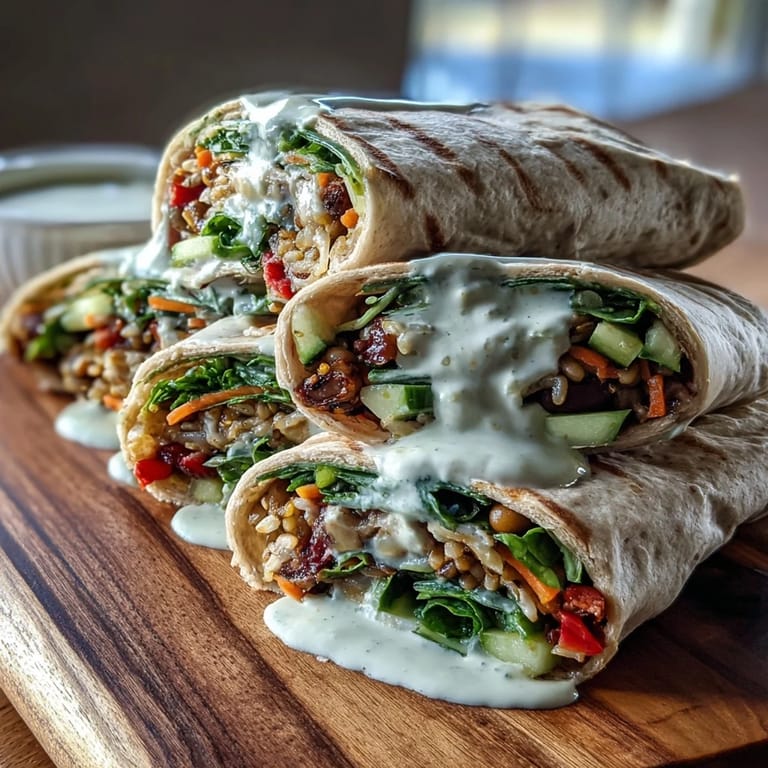
 There's something about the way tahini smells when it first hits lemon juice that makes me pause every single time. That moment of transformation, when something earthy becomes bright and alive, is exactly what these black-eyed pea wraps do for a weekday lunch. I stumbled onto this combination while standing in my kitchen on a Tuesday, staring at a half-empty container of cooked peas and wondering what could make them feel like an actual meal instead of just a side dish. The answer turned out to be simpler than expected: roll them up with everything colorful I could find, dress it all in creamy tahini, and suddenly lunch became something I actually looked forward to.
My neighbor stopped by one afternoon while I was putting these together, and the smell of warming tortillas drew her right into the kitchen. She watched me layer everything with genuine curiosity, then asked if she could take one home. The next week she brought me a jar of her own homemade hot sauce, and now whenever we have leftover vegetables, these wraps are what we make together. There's something about wraps that invites collaboration, maybe because you can see all the components before they come together.
Ingredients
- Black-eyed peas: Already cooked is the move here, either from a can or your own pot, because they bring earthiness and protein without requiring extra cooking time.
- Brown rice or quinoa: Pick whichever grain you have on hand or genuinely prefer, as both add substance and keep the wrap from feeling flimsy.
- Baby spinach: It wilts slightly under the warmth of everything else, so you get a softer texture that won't fight against the wrap.
- Carrot, julienned: The thin cuts mean they stay crisp even after a few minutes, and they add a natural sweetness that balances the savory elements.
- Red bell pepper, thinly sliced: This is your crunch and brightness in every bite, so don't skip the thin slicing or it will overshadow everything else.
- Red onion, thinly sliced: Raw red onion brings a gentle bite that makes the whole wrap feel more interesting without being overwhelming.
- Cucumber, sliced into strips: These add moisture and a cool contrast, which matters more than you'd think when everything else has some warmth to it.
- Tahini: Get the kind without added sugars or oils if you can find it, because this is where the flavor identity of the entire wrap lives.
- Lemon juice: Fresh lemon always, never the bottled stuff, because it brightens the tahini instead of muddying it.
- Olive oil: Just a touch keeps the sauce silky and helps it coat everything evenly.
- Garlic: Finely minced means it distributes through the sauce without creating aggressive little pieces that surprise you mid-bite.
- Cumin: A whisper of it, because cumin can take over a room, and we want it to complement rather than announce itself.
- Water: Add it gradually while whisking, because you can always add more but you can't take it back.
- Whole wheat tortillas: Large ones matter here so you have enough surface area to build a wrap that actually stays together.
Tired of Takeout? 🥡
Get 10 meals you can make faster than delivery arrives. Seriously.
One email. No spam. Unsubscribe anytime.
Instructions
- Make the tahini sauce first:
- In a small bowl, whisk together tahini, lemon juice, olive oil, garlic, cumin, salt, and pepper until combined. Add water one tablespoon at a time while whisking, watching as the sauce transforms from thick paste into something pourable and creamy.
- Warm your tortillas gently:
- Lay each tortilla in a dry skillet for just a few seconds per side, or wrap them in a damp towel and microwave for 20 seconds total. You want them pliable enough to roll without cracking, but not so warm they fall apart.
- Layer with intention:
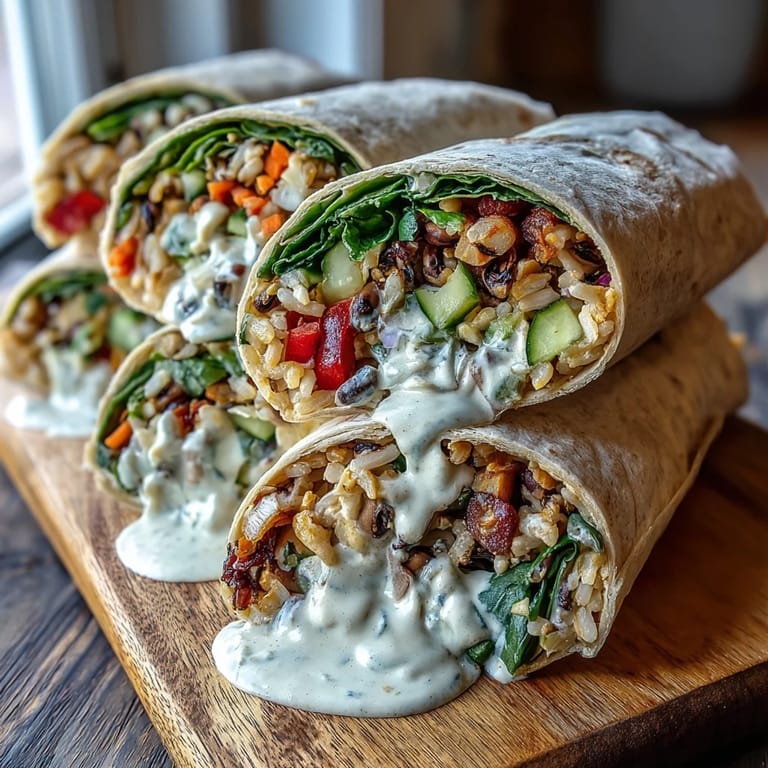
- Spread a tortilla flat on your counter or a plate. Starting in the center, layer spinach as your base, then black-eyed peas, grain, carrot, bell pepper, onion, and cucumber in that order. The spinach underneath holds everything in place like an edible cushion.
- Sauce generously:
- Drizzle a good spoonful of tahini sauce over everything, letting it find the gaps between vegetables. Don't be shy here because the sauce is what turns these separate components into something cohesive.
- Roll with confidence:
- Fold in both long sides first, then roll from the bottom upward with steady, even pressure. You want it tight enough to hold together but not so tight that fillings squeeze out the ends.
- Slice and serve or store:
- Cut each wrap diagonally in half and serve immediately while everything is still warm and the tortilla is forgiving. If you're making ahead, wrap in foil or parchment and refrigerate, then unwrap and let sit at room temperature for a few minutes before eating.
 Pin it
 My partner brought these to a picnic last summer, skeptical about whether anyone would actually eat them. By the end of the afternoon, people were asking for the recipe and debating whether the tahini sauce was better than the dressing someone brought. It was one of those quiet moments where food became the reason everyone stayed a little longer, talking and laughing while eating with their hands. That's when I realized these wraps were more than efficient nutrition—they were something worth sharing.
Building Wraps That Actually Hold Together
The structure of a wrap matters more than most people think. Start with warm tortillas because cold ones crack and fight you at every fold. Layer spinach first as a base that catches everything, then build your vegetables from heaviest to lightest so the weight distributes evenly rather than sagging toward one corner. The tahini sauce acts as both flavor and glue, so distribute it throughout the layers rather than just drizzling it on top. The difference between a wrap that holds together elegantly and one that falls apart in your hands comes down to these small choices made before you ever start rolling.
Making the Tahini Sauce Taste Like You've Been Doing This Forever
Tahini sauce intimidates people because they expect it to be complicated, but it's honestly just about balance and patience. The lemon juice cuts through the earthiness of tahini, olive oil adds silk, and garlic brings it all into focus. The secret that changed my tahini life was realizing that whisking matters—not aggressive whisking, but steady, continuous whisking while adding water gradually transforms the texture into something light and creamy instead of dense and pasty. Cumin is your final note, adding a quiet warmth that ties everything to the peas and grains underneath. Taste as you go and adjust salt and pepper at the very end, because seasoning early means you'll probably oversalt trying to taste something that hasn't finished coming together yet.
Customizing These Wraps to Match What You Have
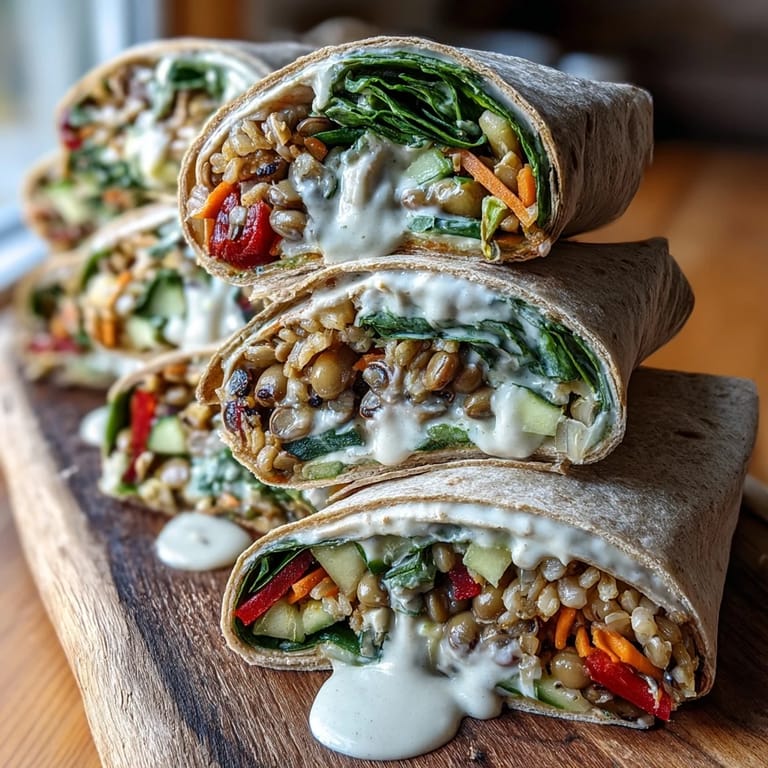
The beauty of these wraps is that they're genuinely flexible without falling apart as a concept. Your grain could be farro or millet instead of brown rice, your vegetables could be whatever is in your crisper drawer, and fresh herbs like cilantro or parsley turn them into something entirely different from one day to the next. I've made them in autumn with roasted sweet potato instead of some vegetables, in spring with fresh peas and herbs, and everything in between. The structure stays the same, but the personality changes.
- Add avocado or hummus if you want extra creaminess beyond the tahini sauce.
- Hot sauce, sriracha, or a drizzle of chile oil brings heat if that's what you're craving.
- For gluten-free eating, swap the whole wheat tortillas for a reliable gluten-free brand you've already tested in your kitchen.
 Pin it
 These wraps have become my answer to the question of what to eat when I want something that actually satisfies without weighing me down. They show up in my kitchen rotation again and again, different every time but always right.
Recipe FAQ
- → Can I make these wraps ahead of time?
Yes, you can prepare the components up to 24 hours in advance. Store the filling and sauce separately in the refrigerator, then assemble just before serving to prevent the tortillas from becoming soggy.
- → What can I substitute for tahini?
If you don't have tahini, you can use almond butter, cashew butter, or even hummus as alternatives. Each will impart a slightly different flavor while maintaining the creamy texture.
- → Are these wraps freezer-friendly?
While best enjoyed fresh, you can freeze assembled wraps for up to 1 month. Wrap each tightly in plastic wrap and foil. Thaw overnight in the refrigerator before eating.
- → How do I prevent the tortillas from tearing?
Warming the tortillas briefly makes them more pliable and less likely to crack. You can also use corn tortillas or lettuce leaves as alternative wrappers.
- → Can I add protein to these wraps?
Absolutely. Grilled chicken, baked tofu, or hard-boiled eggs pair wonderfully with the existing ingredients and boost the protein content significantly.
- → What vegetables work best in these wraps?
Crisp vegetables like shredded cabbage, jicama, radishes, or snap peas add excellent texture. Avocado provides creaminess while fresh herbs like cilantro or basil brighten the overall flavor.