 Pin it
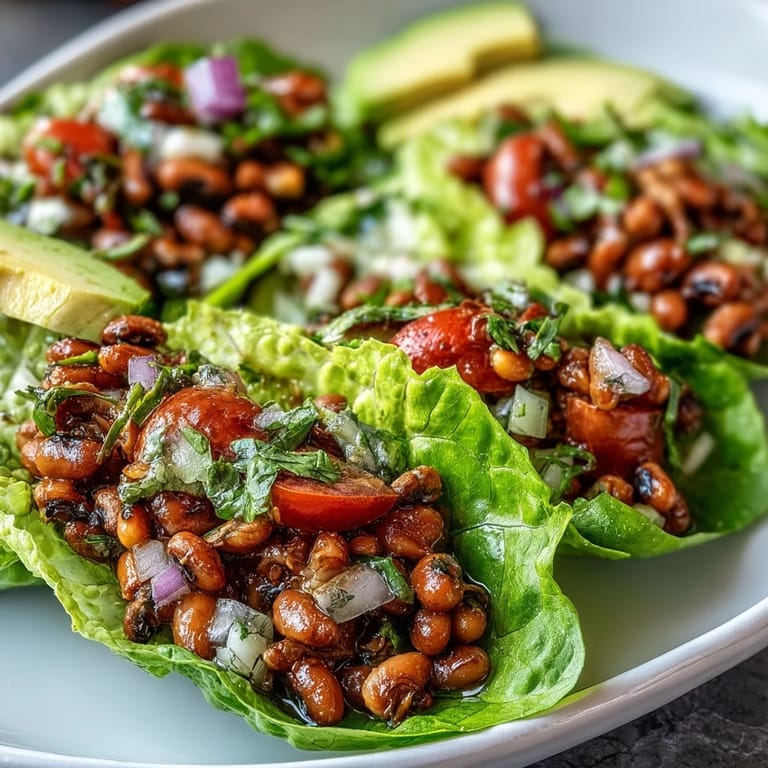
 My neighbor brought these to a potluck on a sweltering July afternoon, and I watched them disappear faster than the ice in my lemonade. She'd made them that morning without fuss, just wrapping seasoned black-eyed peas in crisp lettuce leaves, and somehow it felt both elegant and completely unpretentious. I asked for the recipe right there, standing in her kitchen with dirt still under my fingernails from gardening, and she laughed, saying it was the kind of thing you throw together when you want something that tastes intentional but doesn't demand much time.
The first time I made these for my book club, I was nervous about whether wrapping something so casual would read as "I didn't try hard enough." But the opposite happened—everyone loved that they could pick them up, eat them with their hands, and talk without feeling like they needed a napkin in their lap. One friend came back for seconds and told me she was making them for her kids' lunch boxes all week. That's when I realized these aren't fancy; they're just honest.
Ingredients
- Black-eyed peas (1 can, 15 oz): Rinsed well to remove excess sodium and any canning liquid that can make the filling soggy—this step genuinely matters.
- Olive oil (1 tablespoon): Just enough to build flavor without making the filling greasy or heavy.
- Red onion (1 small, finely diced): The sharpness mellows slightly when sautéed and adds a natural sweetness that balances the earthiness of the peas.
- Red bell pepper (1 small, diced): Choose one that's firm and glossy; it should snap when you bite it, giving you texture that doesn't cook away.
- Carrot (1 medium, shredded): Shredding releases its natural sugars faster than dicing, so it softens perfectly in just a few minutes.
- Garlic (1 clove, minced): One clove is all you need so the filling doesn't become overpowering or bitter—restraint here is key.
- Smoked paprika (1 teaspoon): This gives a subtle smokiness that makes people ask what that intriguing flavor is, even though it's just one ingredient.
- Ground cumin (1/2 teaspoon): It bridges the gap between the sweetness of the vegetables and the earthiness of the beans.
- Lemon juice (from 1/2 lemon): Added at the end, it wakes everything up and keeps flavors from tasting dull or one-dimensional.
- Cherry tomatoes (1/2 cup, quartered): Fresh and raw, they bring acidity and a burst of color that wilted tomatoes never quite achieve.
- Fresh cilantro or parsley (1/4 cup, chopped): Add it last so it stays bright and fragrant instead of turning dark and mushy.
- Green onions (2, thinly sliced): The white and light green parts soften slightly while the darker green stays crisp, giving you layers of texture.
- Butter lettuce or romaine leaves (8 large): Pat them completely dry before filling or they'll slip around and make wrapping impossible.
- Avocado (1 ripe, optional): Wait until the last moment to slice it; exposure to air turns it brown faster than you'd think.
- Hot sauce or sriracha (to taste): Just a drizzle adds heat without drowning out the subtler flavors you've built.
Tired of Takeout? 🥡
Get 10 meals you can make faster than delivery arrives. Seriously.
One email. No spam. Unsubscribe anytime.
Instructions
- Warm your pan and start with aromatics:
- Heat the olive oil over medium heat until it shimmers slightly and smells fragrant, then add the diced red onion. You'll know it's ready when the onion turns translucent and the raw bite softens—usually 2 to 3 minutes. Listen for a gentle sizzle; anything too aggressive means your heat is too high.
- Build color and tenderness:
- Add the bell pepper, shredded carrot, and minced garlic all at once, stirring constantly so nothing sticks or browns unevenly. After about 2 to 3 minutes, the kitchen should smell warm and alive, and the vegetables should have surrendered their crunch just slightly. If the bottom of the pan looks dry, it's fine—you're building flavor, not drowning it.
- Introduce the peas and spices:
- Pour in the drained black-eyed peas along with the smoked paprika and cumin, stirring everything together so the spices coat the peas evenly. Let it cook for 3 to 4 minutes, which is just long enough for the spices to release their oils and for the peas to heat through. You'll notice the mixture turn deeper in color and smell almost smoky.
- Finish with brightness and freshness:
- Remove the pan from heat and immediately add the lemon juice, cherry tomatoes, fresh herbs, and green onions, tossing everything gently so it stays mixed but the tomatoes don't break down. Taste it here and adjust the salt, pepper, or lemon to your preference—this is your moment to make it yours. The warmth of the filling will slightly soften the herbs and green onions but keep them recognizable and fresh.
- Assemble with care:
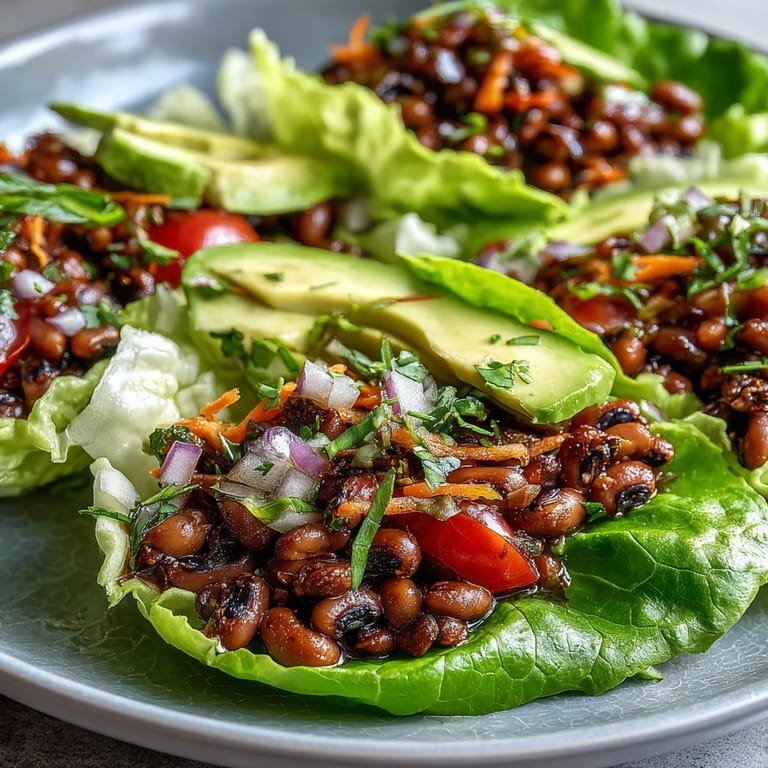
- Spoon the warm filling evenly down the center of each lettuce leaf, leaving just enough room to fold or roll without overstuffing. If you're adding avocado, slice it just before plating and arrange it on top of the filling. Serve immediately while the filling is still warm and the lettuce is still crisp.
 Pin it
 There's something deeply satisfying about handing someone a lettuce wrap and watching them discover that something so simple can taste so composed and intentional. I've brought these to picnics, beach days, and casual weeknight dinners, and they've become the thing people ask me to make because it somehow feels both nourishing and fun at the same time.
Why Lettuce Wraps Win in Summer
These wraps are the antidote to heavy cooking when temperatures climb and you want something that tastes fresh but still feels like you've put in effort. There's no oven heating up your kitchen, no lingering smells that last until midnight, and nothing that requires reheating. The whole process is quick enough that you can make them while catching up with someone in the kitchen, turning preparation into companionship instead of a chore.
Building Layers of Flavor
What makes these wraps interesting is that every element plays a role: the earthiness of the black-eyed peas, the gentle warmth of cumin, the brightness of lemon and cilantro, the textural contrast of crisp lettuce against a warm filling. When people taste them, they often taste the individual components first and then realize how they fit together like they were always meant to. This is why it matters that you cook the spices into the warm peas and add the fresh elements last—it keeps everything from blending into a uniform paste.
Variations and Extensions
The beautiful part about this recipe is how customizable it becomes once you understand the basic formula. I've added diced cucumber for extra crunch, swapped in black beans when I didn't have black-eyed peas, stirred in shredded cabbage for a more substantial bite, and even tried them with cooked quinoa mixed into the filling to make them heartier for a main course. The skeleton of the recipe stays strong no matter what you do, which is the hallmark of something genuinely useful in the kitchen.
- If you want these to become a more filling meal, serve them with a side of cooked quinoa or brown rice and let people build their own plate.
- Try substituting chickpeas or black beans if you want to experiment or if that's what you have in your pantry.
- A squeeze of lime instead of lemon gives them a different kind of brightness if you're in the mood for something slightly different.
 Pin it
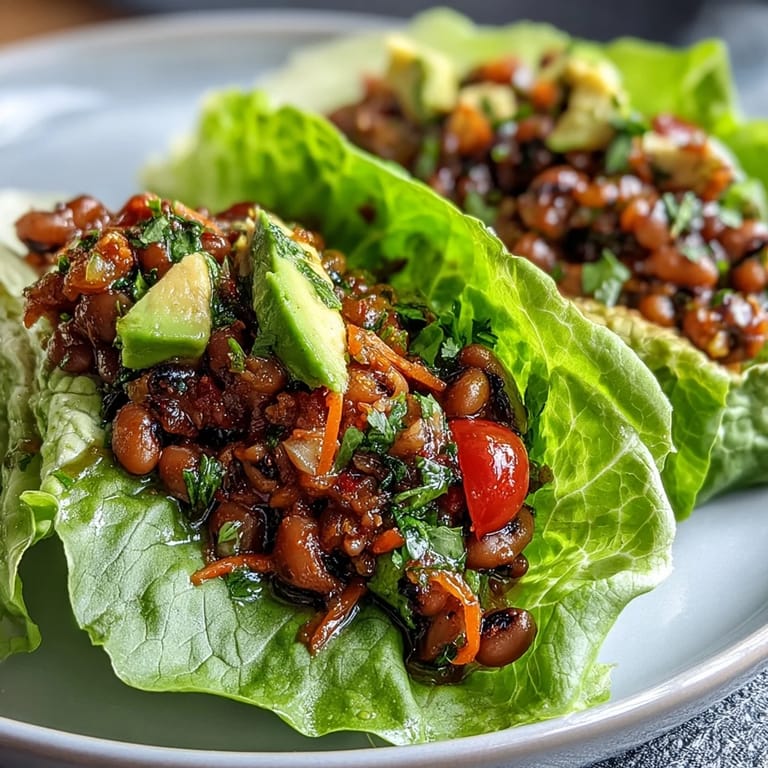
 These wraps have a way of showing up in your rotation and staying there because they ask so little of you while giving back so much. They're proof that cooking doesn't always have to be elaborate to feel like you've done something worth doing.
Recipe FAQ
- → Can I make these lettuce wraps ahead of time?
Prepare the black-eyed pea filling up to 24 hours in advance and store it in an airtight container in the refrigerator. Warm gently before serving. Assemble the wraps just before eating to prevent the lettuce from wilting.
- → What other lettuces work well for wraps?
Butter lettuce and romaine leaves are excellent choices due to their size and sturdiness. Iceberg lettuce cups also work well and provide extra crunch. Choose large, intact leaves without tears for the best wrapping experience.
- → Can I substitute other beans for black-eyed peas?
Black beans, chickpeas, or pinto beans make great alternatives. Each brings a slightly different flavor profile while maintaining the protein content and texture. Adjust the cooking time slightly since canned beans vary in tenderness.
- → How do I prevent the lettuce from getting soggy?
Wash and thoroughly dry the lettuce leaves before assembling. You can pat them dry with paper towels or use a salad spinner. Keep the filling warm but not hot, and serve immediately after assembling for the best texture.
- → What toppings complement these wraps?
Sliced avocado adds creaminess, while hot sauce provides a spicy kick. Consider adding diced cucumber, shredded cabbage for extra crunch, or a dollop of Greek yogurt for a cooling element. Chopped jalapeños work well if you enjoy heat.
- → Are these wraps filling enough for a main course?
While substantial as a light meal or appetizer, you can increase the heartiness by serving with quinoa, brown rice, or crusty bread. The black-eyed peas provide 9 grams of protein per serving, making it a satisfying vegetarian option.