 Pin it
 Last winter, a friend handed me a steaming cup of hojicha latte at a small tea shop in Seattle, and I watched the steam curl up from the perfectly layered foam. The aroma was unlike anything I'd encountered before—earthy and warm, with this gentle toasted grain quality that made me slow down mid-conversation. She explained it was roasted green tea from Japan, whisked into submission with hot water until it became this silky, almost creamy base. One sip and I understood why she'd dragged me across the city in the rain for it, and I spent the next three months trying to recreate it at home until I got the technique right.
I made this for my roommate on a particularly brutal Tuesday when she'd been staring at her laptop screen for eight hours straight, and watching her close her eyes after that first taste made me feel like I'd actually accomplished something. She asked for it again the next day, and the day after that, until I finally just started keeping hojicha powder stocked like it was medicine. That's when I realized this wasn't just about the flavor—it was about having something small and intentional to offer someone, or yourself, when everything else feels chaotic.
Ingredients
- Hojicha powder: This is roasted green tea, and the roasting is what makes it taste nothing like regular green tea—it's warm and toasty instead of vegetal, almost like someone caramelized the leaves. Buy it from a Japanese market or online because supermarket green tea powder won't give you this magic.
- Hot water: The temperature matters here—you want around 80°C (175°F), which is hot but not quite boiling, because boiling water turns hojicha bitter and defeats the whole purpose of its gentle character.
- Milk: Dairy, oat, soy, or almond all work beautifully, but avoid ultra-low-fat versions because they don't froth as luxuriously and the drink feels a bit thin and lonely in your mouth.
- Sweetener: Honey, maple syrup, or sugar all complement the roasted notes, though I've found honey brings out something almost floral that makes people pause and ask what it is.
Tired of Takeout? 🥡
Get 10 meals you can make faster than delivery arrives. Seriously.
One email. No spam. Unsubscribe anytime.
Instructions
- Sift and prepare:
- Run your hojicha powder through a fine mesh sieve into a small bowl, breaking up any little clumps with the back of a spoon. This takes thirty seconds but prevents grainy pockets in your final drink.
- Create the base:
- Pour hot water over the powder and whisk vigorously with a bamboo whisk or regular whisk for about a minute—you're looking for it to turn from chalky to smooth, with a light foam developing on top. This is the part that feels like a tiny tea ceremony happening in your kitchen.
- Heat and froth the milk:
- Pour milk into a saucepan and warm it over medium heat, watching for small steam wisps to rise. If you have a milk frother, use it now; if not, a whisk works but requires more elbow grease and makes you feel slightly athletic in your pajamas.
- Combine thoughtfully:
- Pour the hojicha mixture into two mugs, add your sweetener if using, and stir until smooth. This is the moment where you taste it—adjust sweetness now because it's much easier than trying to fix it after the milk goes in.
- Pour and layer:
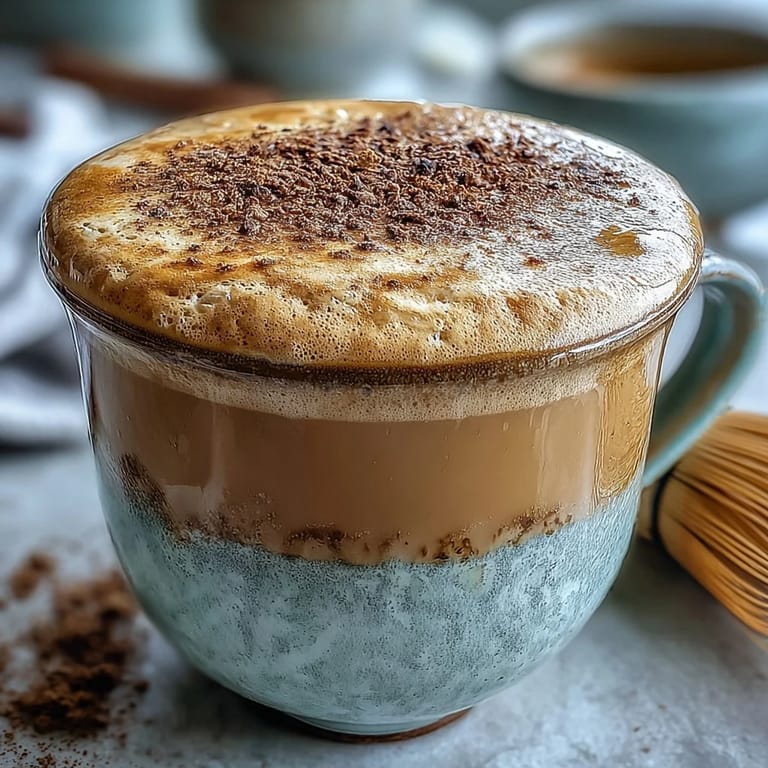
- Gently pour the steamed milk into each mug, tilting slightly so it flows evenly, and use a small spoon to hold back the foam as it pours. Once the milk is mostly in, spoon that reserved foam directly on top—this is where it gets Instagram-worthy, and more importantly, where you get that perfect textural contrast.
- Finish:
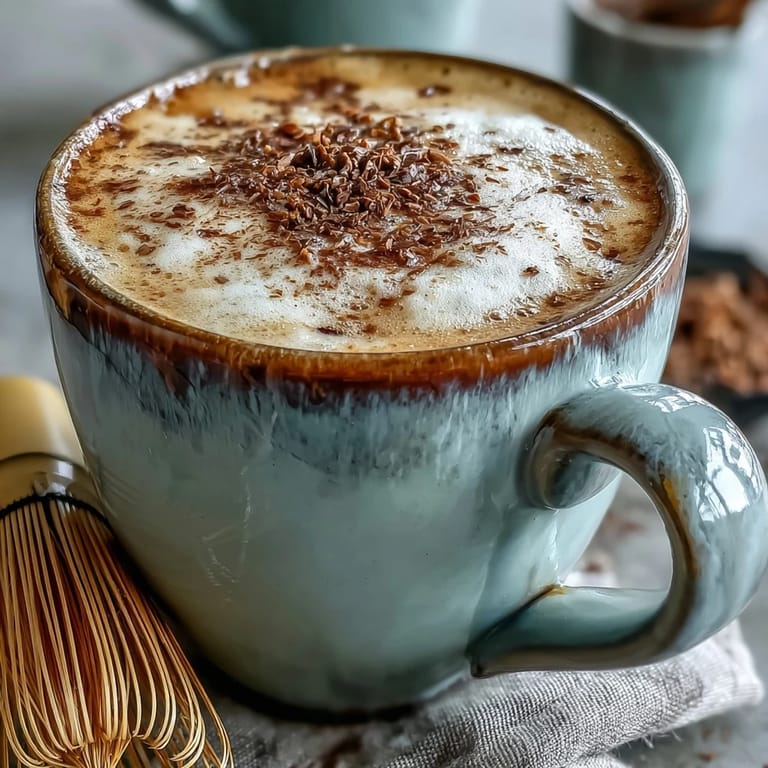
- A tiny sprinkle of hojicha powder on top adds visual appeal and a little surprise flavor burst at the end. Serve immediately while everything is still hot and the foam is still billowing.
 Pin it
 There's something about hojicha latte that stops people mid-scroll on their phones, because they're suddenly present for ten minutes with an actual beverage instead of just consuming caffeine. My neighbor once said it tasted like autumn felt, and I've never quite forgotten that, because it's true—it has this golden, settled quality that makes you want to slow down.
The Magic of Roasting
Hojicha is what happens when someone decides regular green tea is too sharp and decides to roast it over charcoal until it becomes something entirely different. This roasting process brings out naturally sweet, almost chestnut-like notes that regular green tea doesn't have, which is why hojicha tastes comforting instead of challenging. Understanding this changed how I approached the drink—it's not tea you're supposed to gulp; it's tea you're supposed to notice.
Whisking vs. Modern Methods
A bamboo whisk, called a chasen, has been used for hojicha and matcha for centuries, and while you absolutely can use a regular whisk, there's something about the bamboo that creates a different texture. The tines are gentler and create a creamier froth, while a regular whisk can sometimes over-incorporate air and make the drink foam-heavy instead of silky. If you're going to make this regularly, a bamboo whisk from an Asian market costs about five dollars and feels like a small ritual investment.
Customization and Variations
Once you master the basic technique, this drink becomes a canvas for gentle experimentation without losing its character. Some people add a splash of vanilla extract or a tiny pinch of cardamom, and it works beautifully without overwhelming the delicate roasted flavor. I've also made cold versions on sweltering days by brewing the hojicha, letting it cool completely, then pouring it over ice with cold milk—it's refreshing but somehow still feels warm, which makes no sense until you actually taste it.
- For an iced version, brew normally and chill the hojicha mixture completely before adding to a glass with ice and cold milk.
- Plant-based milk drinkers should try oat or soy for the best froth compared to almond, which can separate slightly when heated.
- A touch of bourbon or whiskey transforms this into an adults-only evening drink that somehow tastes even more like comfort.
 Pin it
 Making hojicha latte has become the thing I offer people when they need to pause, which turns out to be quite often. There's genuine kindness in handing someone something warm and thoughtfully made.
Recipe FAQ
- → What is hojicha powder?
Hojicha is roasted green tea powder made from shade-grown green tea leaves that have been roasted over charcoal. The roasting process gives it a deep, earthy flavor with notes of caramel and lowers the caffeine content compared to other green teas.
- → What's the difference between hojicha and matcha?
While both are green tea powders, hojicha is roasted which gives it a reddish-brown color and mellow, toasty flavor, whereas matcha is steamed and dried, resulting in a vibrant green color and grassy, vegetal taste.
- → Can I make this iced?
Yes, simply brew the hojicha concentrate and let it cool completely, then pour over ice glasses filled with ice and add cold milk. Adjust ratios to taste preference.
- → What type of milk works best?
Dairy milk creates the creamiest froth, but oat milk, soy milk, and almond milk all work beautifully. Each plant-based milk will slightly alter the flavor profile.
- → Do I need special equipment?
A bamboo whisk (chasen) creates the best froth, but a regular small whisk works perfectly for dissolving the powder. A milk frother helps create café-style foam, though whisking heated milk manually also works well.